10 Effective Digital Marketing Channels & How to Use Them
Expert reviewed
Our subject matter experts have reviewed this article to ensure it meets the highest standard for accurate information and guidance. Learn more about our editorial standards and process.
This article highlights 10 digital marketing channels and explains how to use each channel to drive more business.
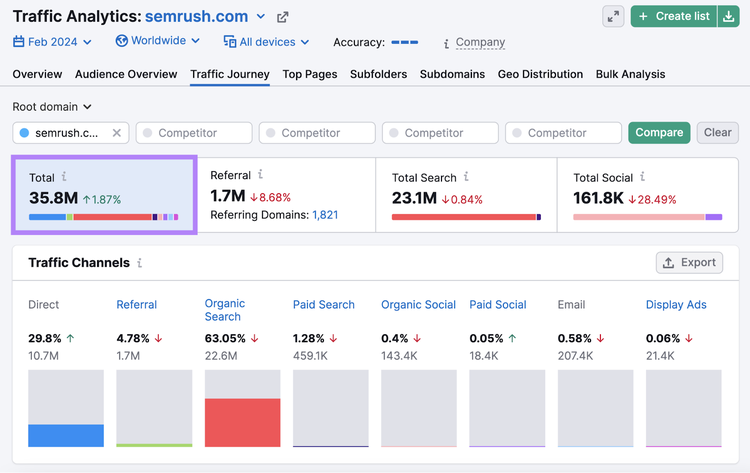
We’ve used these channels and tactics to bring more than 35M visitors per month to Semrush.com (Traffic Analytics data).
Before diving in, here are the basics.
Tip
Sign up for a free Semrush account (no credit card required) to follow along with the steps.
What Are Digital Marketing Channels?
Digital marketing channels—also known as digital advertising channels—are online platforms and methods businesses use to promote products, services, or brands.
Examples include websites, social media, email, SEO, PPC, and content marketing. They allow businesses to reach and engage with their audience in digital spaces.
Below are 10 effective digital marketing channels.
10 Effective Digital Marketing Channels for 2025
1. Website
A website is the online representation of a business or brand. It showcases products, services, values, and personality to potential customers.
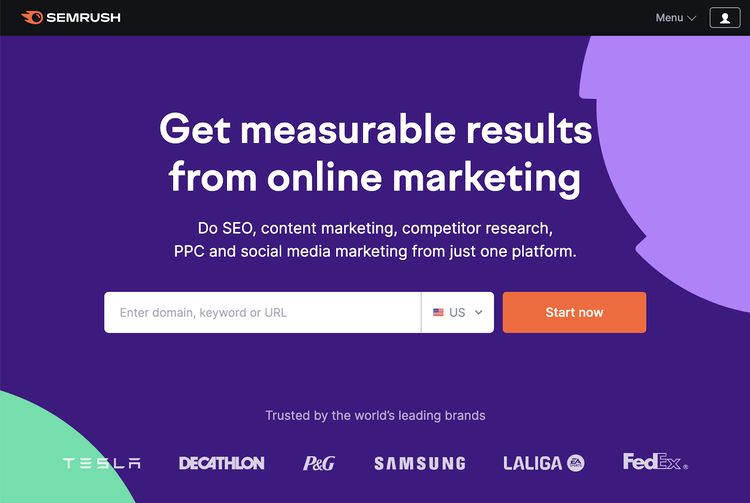
For example, Semrush’s website homepage represents the Semrush brand and explains what users can do with a subscription.
Websites can:
Build credibility and authority in a niche
Increase visibility and reach
Provide a platform to communicate with an audience
Collect data and feedback from visitors
Allow versatile marketing campaigns
How to Get Started with Your Website
1. Understand Your Audience
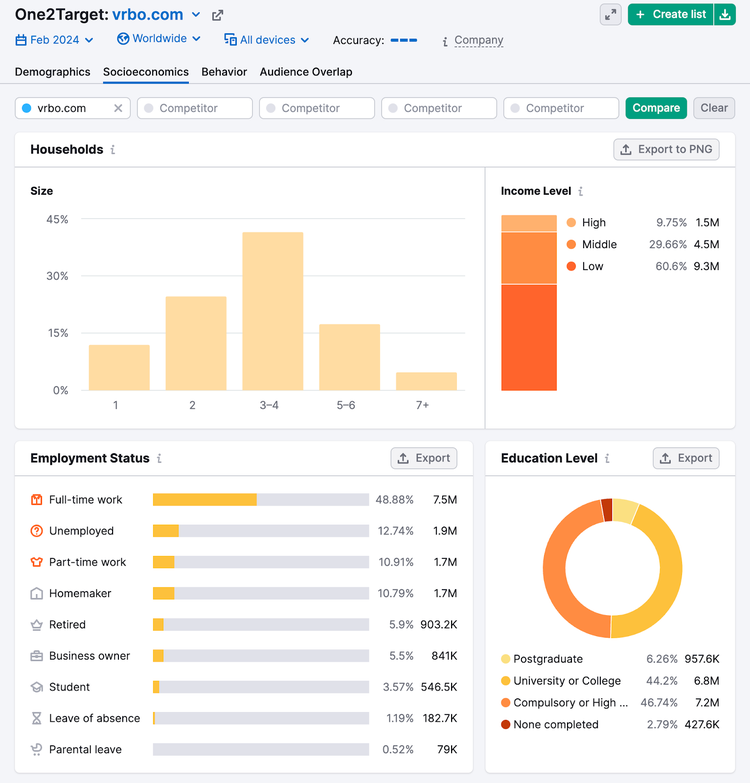
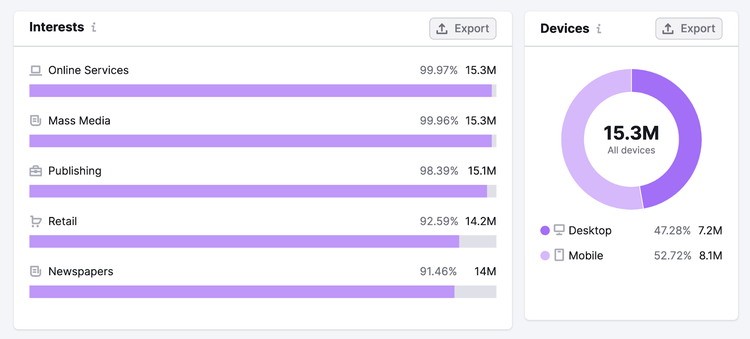
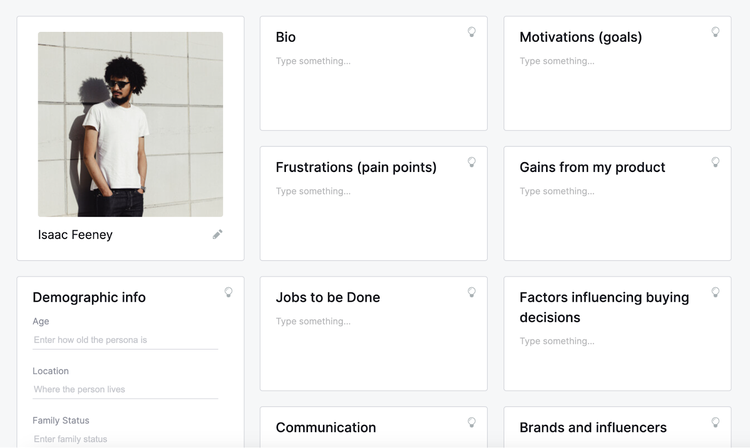
Research their demographics, preferences, pain points, and goals. One2Target can help gather these insights—just enter your domain and view data about your visitors.
2. Design Your Website with Your Audience in Mind
Hosting and website-building services like Wix and WordPress offer ready-made templates. Customize one to suit your audience and optimize it for your unique style. Focus on:
Structure: Organize content to make navigation easy
Content: Provide valuable information that addresses visitors’ questions and solves their problems
Style: Maintain a consistent visual identity that reflects brand personality and values
3. Test and Optimize Your Site
Track performance with Google Search Console or the free SEO Checker from Semrush. Make incremental changes based on collected data to better serve your audience.
Content marketing involves creating and sharing valuable content—such as blog posts, ebooks, infographics, videos, or podcasts—to attract and retain a specific audience. The goal is to educate, inform, or entertain readers and guide them to take action (buy, subscribe, follow, etc.).
Decide whether blog posts, ebooks, infographics, videos, or podcasts best suit your audience.
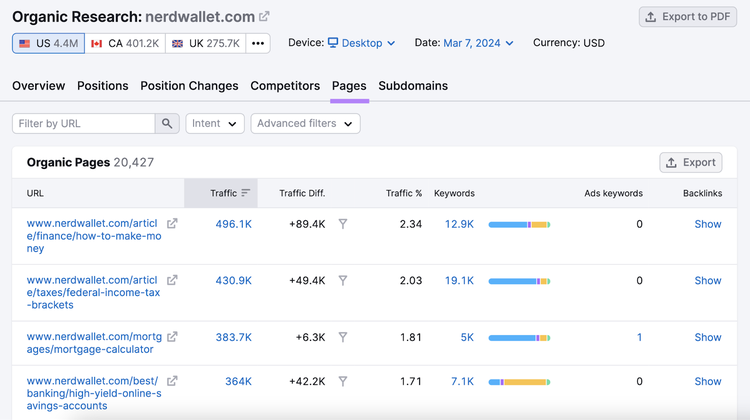
Identify patterns in your competitors’ most successful content using Organic Rankings. Go to the “Pages” tab to see which formats drive traffic.
These are your competitor’s pages sorted by the amount of organic traffic they bring in.
Analyze the top pages carefully and try to look for patterns.
For example:
Are they mostly blog posts, videos, product pages, or something different?
Do they use lots of visual assets?
Does the content tend to be long-form or short?
Use the answers to these questions to guide your content production. Recreate what’s already working in a better way. Then, repeat this process for at least three to five of your top competitors.
Social media marketing uses platforms like Facebook, X (formerly Twitter), Instagram, and LinkedIn to promote brands.
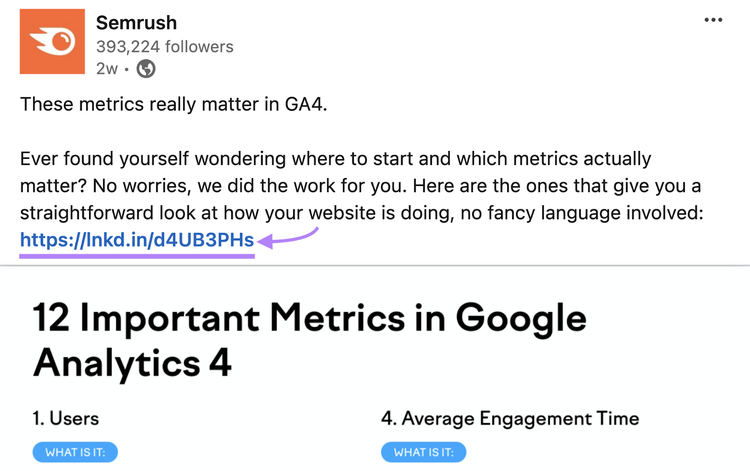
For example, Semrush repurposes blog content on LinkedIn. Like this:
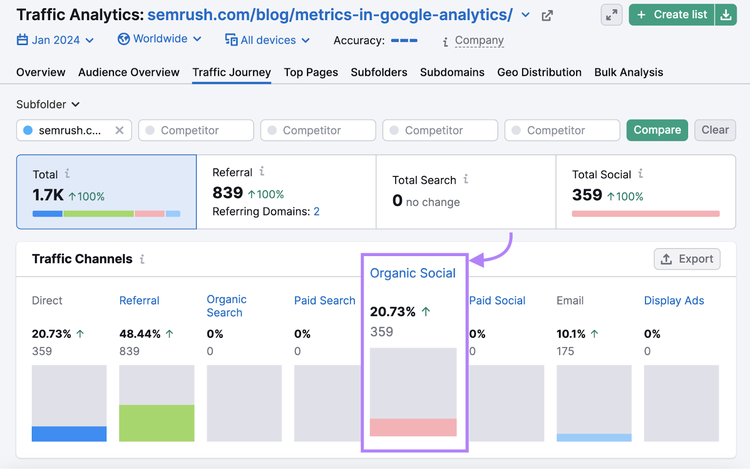
Which is why around 20% of traffic to that specific post comes from organic social media.
Social media can:
Reach millions of daily active users
Connect with target audiences through engaging content
Build trust and loyalty
Provide insights into competitor strategies
Highlight trends and changes in your industry
How to Get Started with Social Media
Define goals and objectives. Decide what success looks like and how you’ll measure it.
Identify your target audience. Understand who they are, where they spend time online, and how you can help.
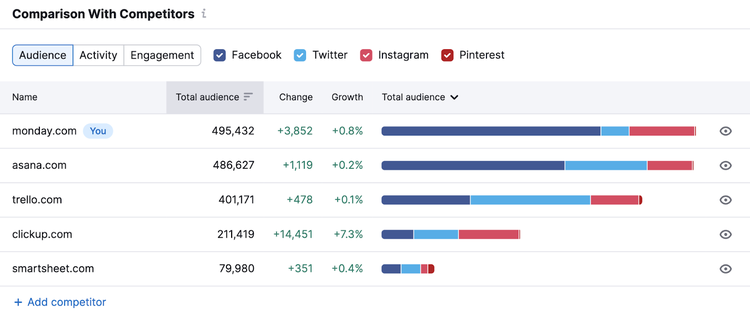
Choose the right platforms. Use Social Tracker from Semrush’s Social Toolkit to see which platforms drive competitor engagement.
Create and optimize profiles. Present your brand consistently. Optimize your profile using best practices.
Plan and create content. Align content with goals, platforms, and audience preferences.
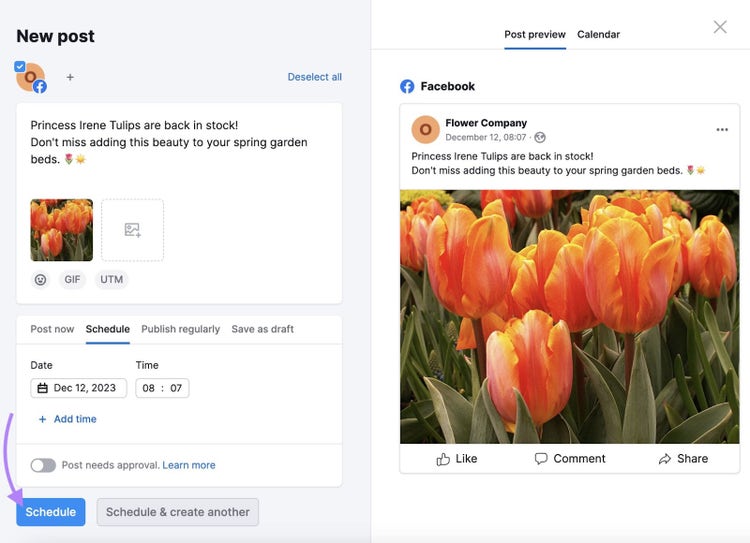
Schedule and publish posts. Use Social Poster to automate scheduling at the optimal time for your audience. It’s also a part of Semrush’s Social Toolkit.
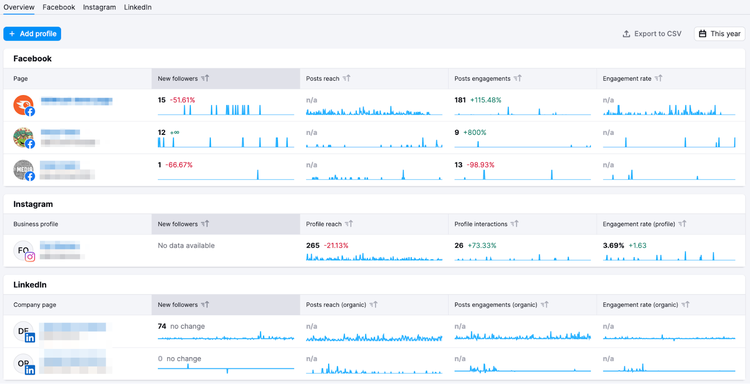
Analyze and improve. Use Social Analytics tool to evaluate your performance across connected channels and tweak your strategy for better results.
And then either write the copy manually or get help from AI using Social Content AI, which is also part of Semrush’s Social Toolkit.
Email marketing involves sending targeted messages to prospects and customers. It allows you to connect with your audience in a personal, timely, and cost-effective way.
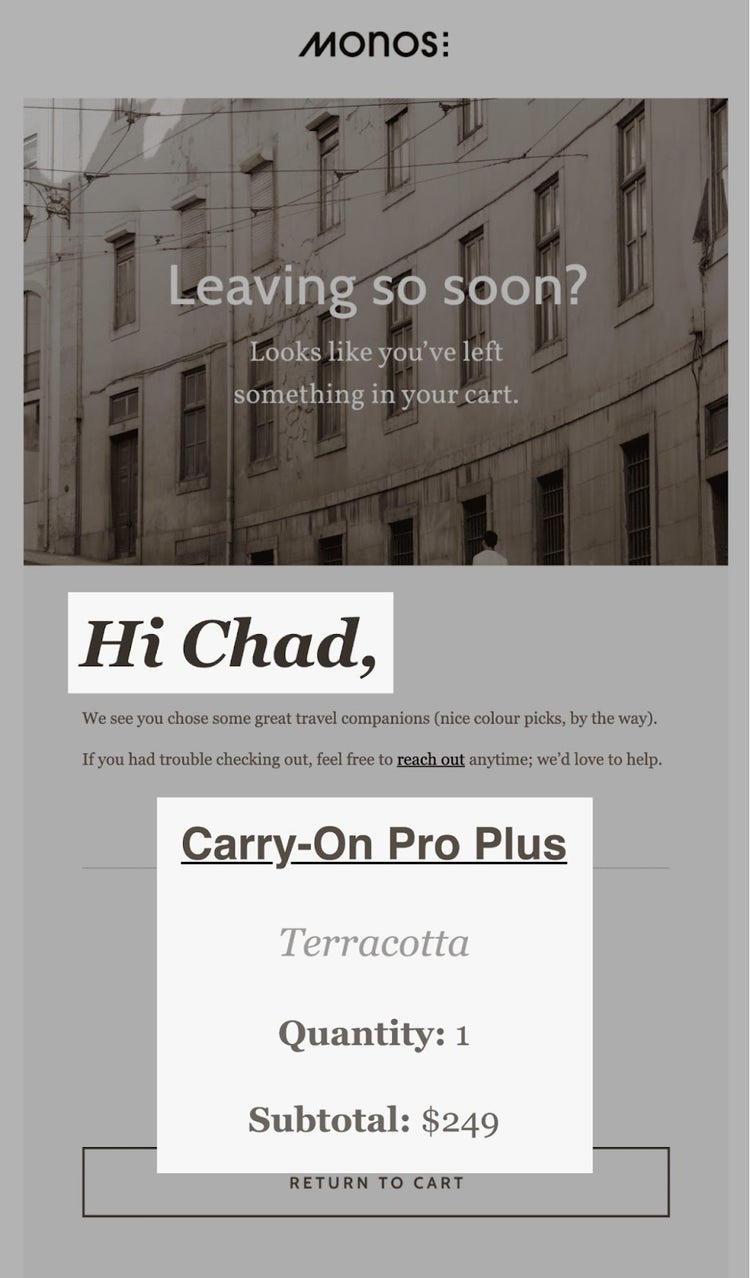
For example, Monos emails customers when they abandon carts, including the customer’s name and details of the unpurchased item. This often motivates customers to finish checking out.
Email marketing can:
Build trust and loyalty
Increase brand awareness
Drive traffic to your website
Generate leads and sales
Retain existing customers
Gather feedback and reviews
How to Get Started with Email Marketing
Create an email marketing strategy. Define your goals, such as driving sales or increasing loyalty.
Choose an email marketing platform.ConvertKit is an option for both individuals and larger teams.
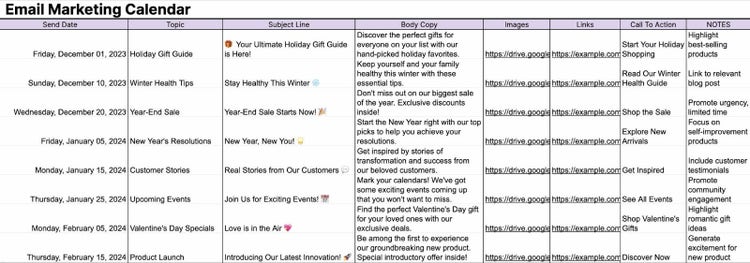
Develop email campaigns and a content calendar. For instance, plan out weekly newsletters or monthly promotions.
4. Review performance. Check platform reports to see how campaigns are performing and where improvements can be made.
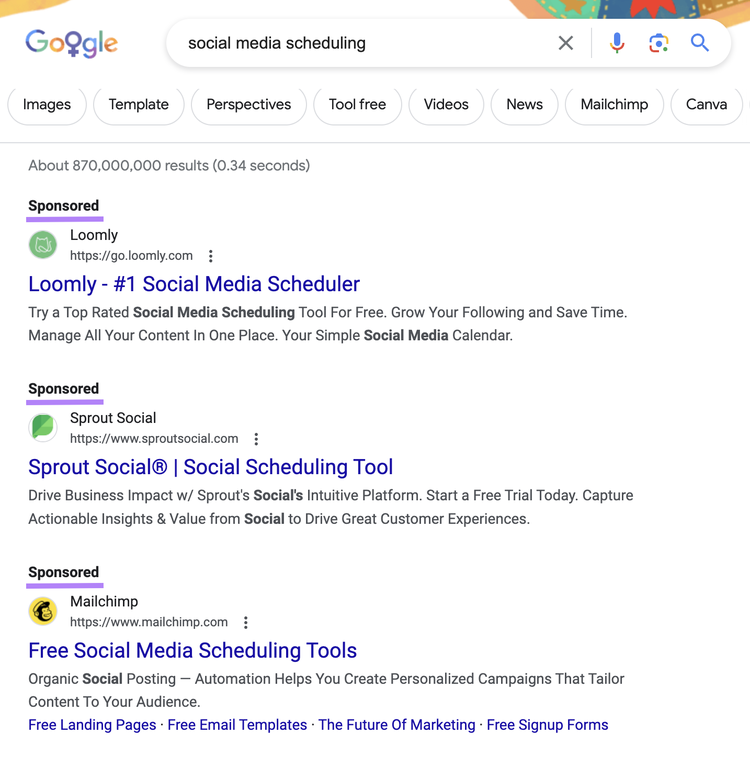
Paid advertising is a digital marketing approach where you pay to display ads to specific audiences. Google Ads, Facebook Ads, Instagram Ads, LinkedIn Ads, and X Ads are common platforms.
Here’s what paid ads look like on Google:
Two common paid ad models are pay-per-click (PPC) and cost per impression (CPM). Both can be cost effective since you only pay each time someone clicks on or sees your ad.
Unlike organic marketing, where you create content and optimize your site for search engines, paid advertising lets you reach potential customers faster and more directly.
Paid ads can:
Bring targeted traffic to specific pages
Allow you to test marketing messages and offers
Retarget site visitors who didn’t convert
Provide measurable ROI
How to Get Started with Paid Ads
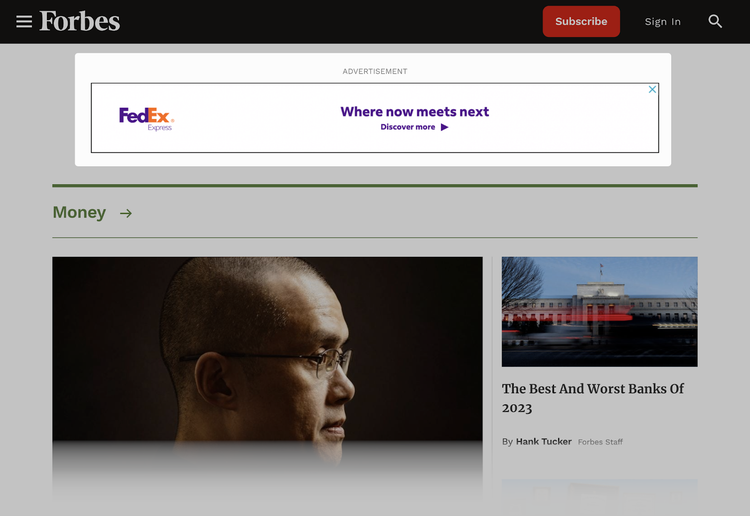
Select platforms that match your goals and audience. For instance, Google Ads reaches searchers and millions of Google Display Network sites.
Which means your ads can appear on websites like this:
For inspiration, start with competitive research. Before launching your first ad campaign, take time to understand what your competitors are doing.
Use Advertising Research to see which keywords they’re bidding on, what ad copy they’re using, and who else is competing in your space.
To access the tool, hover over to the Advertising Toolkit from the left-hand navigation bar.
Then, click “Advertising Research.”
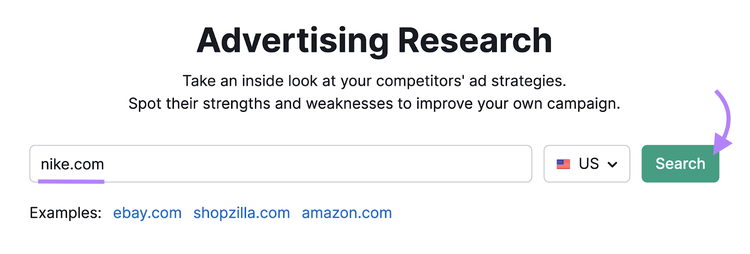
Next, enter a competitor’s domain (e.g., nike.com), select your country (e.g., “US”) and click “Search.”
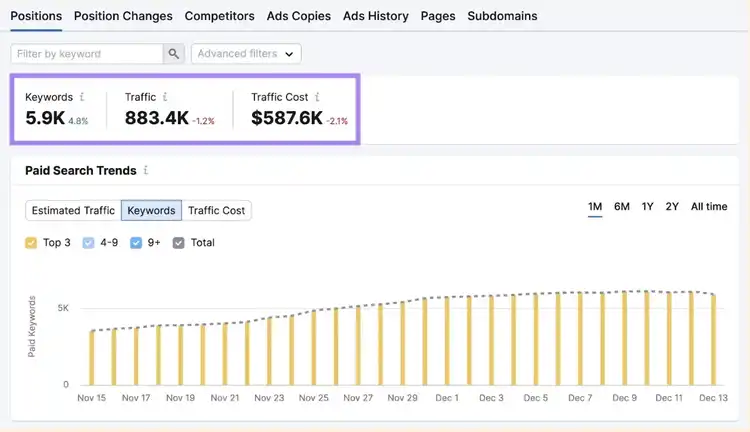
At the top, you’ll see an overview of the total number of paid keywords that drive traffic to your competitor's site.
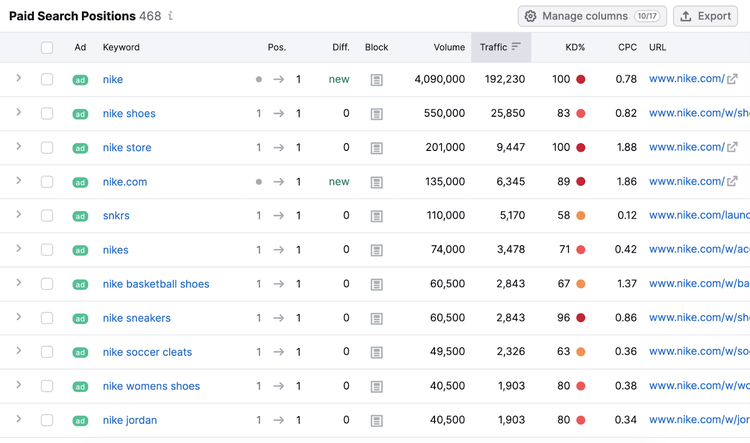
Scroll down to the "Paid Search Positions" section to find the keywords they’re bidding on and the target URLs.
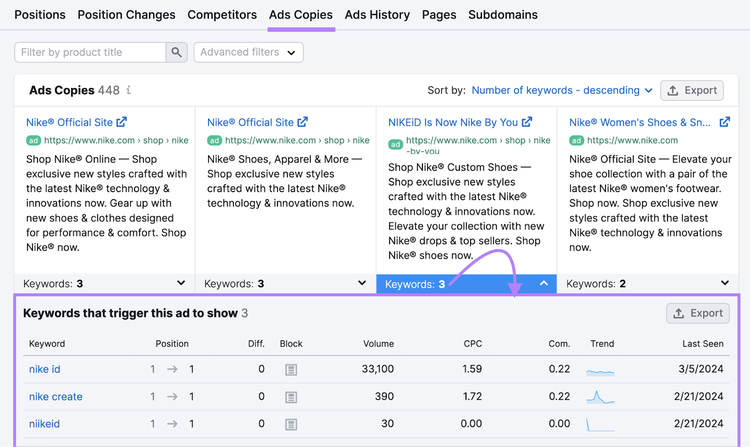
Click the “Ads Copies” tab. You’ll see the exact ads they’re running, and the keywords that trigger those ads.
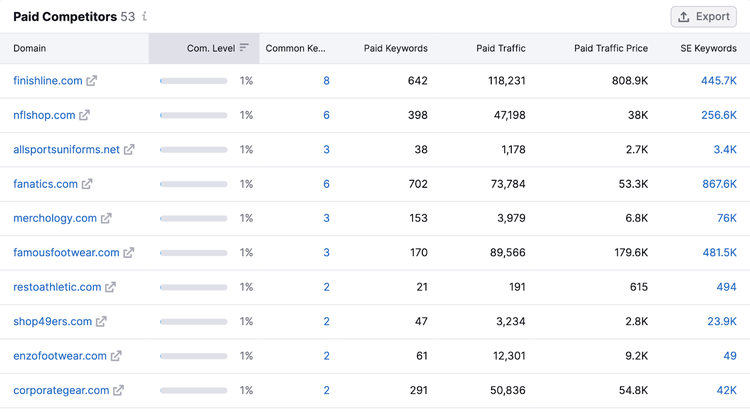
Then, head to the “Competitors” tab to discover new rivals.
Repeat this process for each of your top competitors. Use these insights to plan and launch high-impact paid ads campaigns.
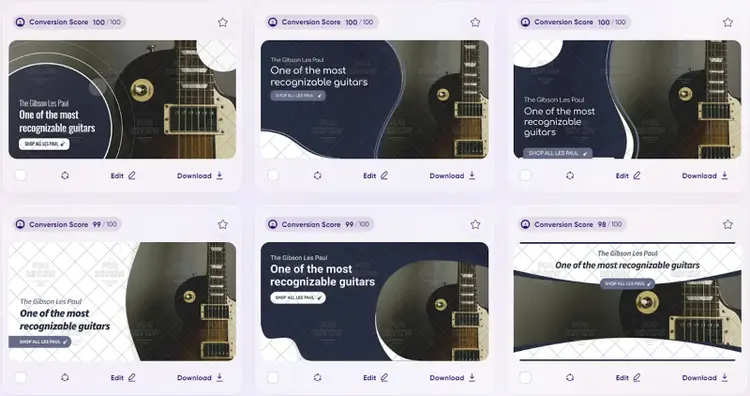
Use AdCreative.ai to generate high-converting visuals using AI. It’s available as a standalone app in Semrush’s App Center.
And then either write the copy manually.
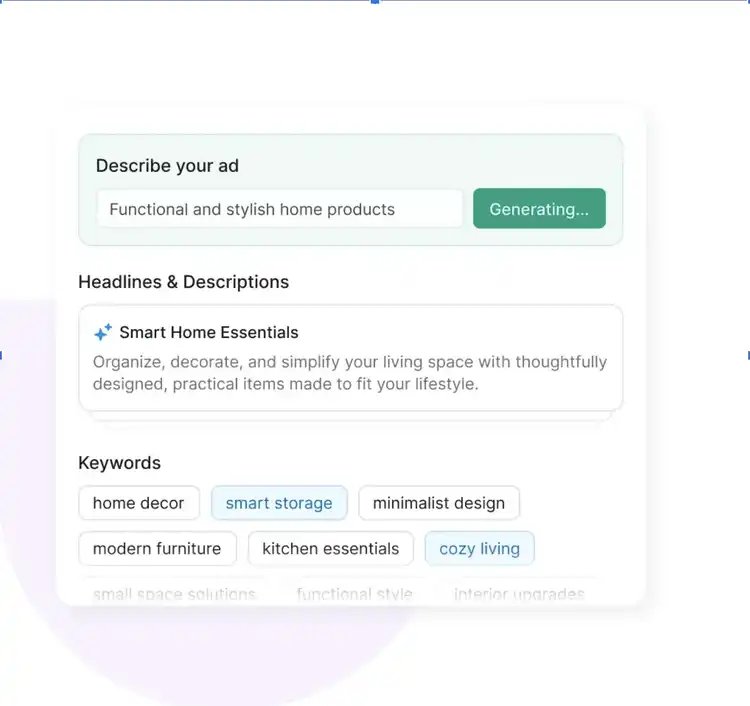
Or use the Ads Launch Assistant to generate headlines, descriptions, keywords, and callouts with AI. It handles the copy for you and helps launch your campaign in just a few clicks.
Get more in-depth knowledge about paid ads by checking out Semrush’s guides (listed below).
Video marketing uses video content to promote brands, products, or services. Video marketing is effective because it engages multiple senses and can convey information more effectively than text.
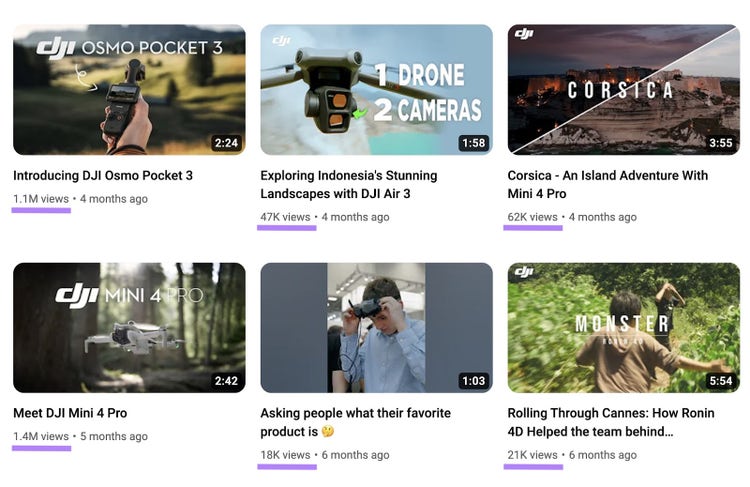
For example, DJI publishes product introductions on YouTube and receives thousands to over a million views per video.
How to Start Reaching Customers with Video Marketing
Start by setting goals and defining your audience. Decide your video’s purpose and the people you want to reach.
Next, choose the right video type. Explainers, testimonials, live streams, and sponsored videos are all popular formats.
Then, create and share videos on key platforms. Consider YouTube, Facebook, Instagram, or TikTok, depending on your audience.
Referral marketing encourages existing customers to recommend products or services to their contacts.
For example, PayPal experienced 7% to 10% daily growth by rewarding customers for inviting friends.
Referral marketing:
Relies on word of mouth and trust
Converts satisfied customers into ambassadors
Lowers customer acquisition costs
How to Get Started with Referral Marketing
Identify your best customers and advocates. Use surveys, reviews, or social media to find enthusiastic users.
Create a referral program. Offer incentives like discounts, free products, or cash rewards using tools like Impact or PartnerStack.
Promote your program. Make it visible on your website, in emails, and on social media.
Monitor and improve. Track referrals, conversions, and ROI to refine the program.
9. Affiliate Marketing
Affiliate marketing is when you partner with websites, influencers, or content creators to get more exposure, traffic, and sales. Affiliates earn commissions when they generate sales or leads.
Choosing the Right Digital Marketing Channels for Your Business
You don’t need to use every possible channel. Instead, focus on the ones that align with your business, audience, and budget. Test different channels, measure results, and prioritize what works.
Consider these three main factors when choosing your digital marketing channels:
1. Business Type
Different business models require different channels.
Physical stores often benefit from local SEO, which includes creating a Google Business Profile and listings in online directories.
Ecommerce stores may see more success with social ads, email marketing, and influencer marketing.
2. Target Audience
Understand who you want to reach.
Younger, tech-oriented audiences often prefer Instagram and TikTok. Professionals and older users might respond well to LinkedIn or newsletters.
3. Budget
Your budget is how much money you can spend on your digital marketing campaigns.
Some channels, like PPC and social ads, can be more expensive but produce quick, trackable results. Others, like SEO and content marketing, are more affordable but require more time to implement.
Diversify Your Digital Presence and Reach Your Target Audience
These 10 digital marketing channels can help you grow your business. Choose channels that fit your goals, audience, and budget. Then, test each option. Continue investing in the channels that work, and drop those that don’t.
This approach helps you diversify your digital presence and connect with customers wherever they are. Over time, this builds trust, loyalty, and long-term relationships.
Carlos Silva leads the editorial pipeline for the English blog—coordinating writers, editors, strategy, and building AI workflows that boost content quality and AI visibility. With 10+ years of experience writing and editing across in-house and agency roles, Carlos blends content strategy, SEO, and AI to help marketers stay ahead of an evolving search landscape.
Subscribe to learn more about General Marketing
Subscribe
By clicking “Subscribe” you agree to Semrush Privacy Policy and consent to Semrush using your contact data for newsletter purposes
Carlos Silva
Carlos Silva leads the editorial pipeline for the English blog and builds AI workflows that boost content quality and AI visibility. 10+ years writing and editing across in-house and agency roles.
Share
Tells Google to show you more from Semrush in AI, Search, and Discover.