The best way to monetize your blog depends on a variety of factors. Such as your subject matter, target audience, and financial goals.
It’s smart to experiment with different methods. And create multiple income streams so you’re not reliant on just one.
Here are seven popular ways to monetize a blog:
1. Publish Sponsored Posts
Sponsored posts are promotional articles that another brand pays you to publish.
Here’s an example of a sponsored post. Wherein Walmart paid lifestyle blog For The Home to publish an article:
You or the other brand can create sponsored content.
Either way, you must:
Ensure the post offers genuine value to your readers
Clearly label the content as sponsored
Otherwise, you could harm your reputation, break advertising laws, and violate Google’s spam policies. (The latter could lead to a Google penalty that harms your search visibility.)
One of the best ways to get started is to contact brands you love. And propose content ideas that will benefit you both.
Inform the brands about key metrics such as:
Traffic: How many visits you get per month, on average. This gives the brand an idea of their potential reach through your blog. You can monitor your traffic through Google Analytics 4 or another web analytics tool.
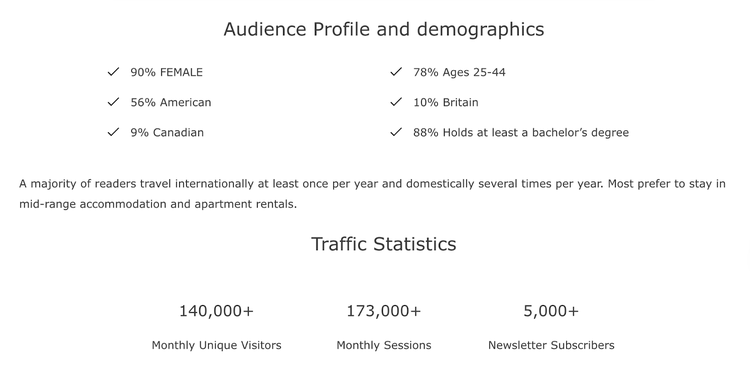
Audience demographics: Your visitors’ age, gender, location, etc. To show brands who exactly they’ll be reaching by partnering with you. You can learn about your visitors through Google Analytics 4, One2Target, or another web analytics tool.
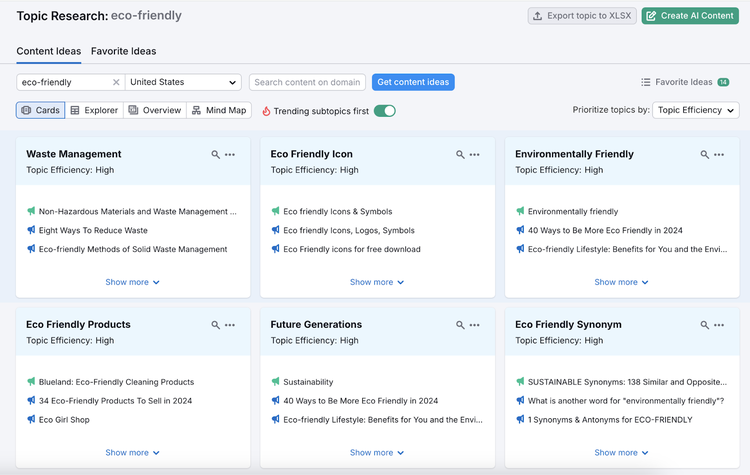
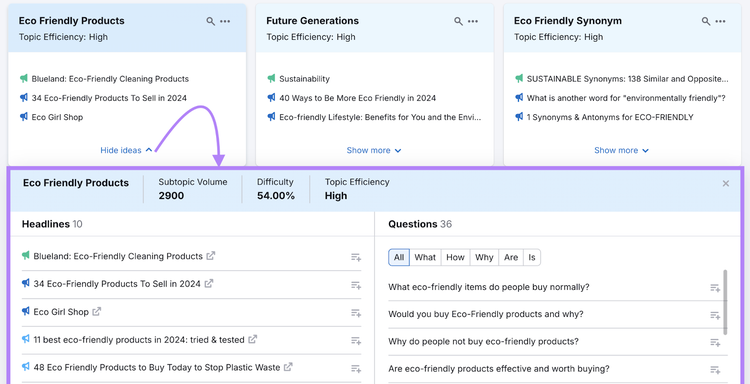
Search demand: How many people search for content around your proposed topic. You can discover popular and trending topics with Semrush’s Topic Research tool.
And any other data that will make the sponsorship more appealing.
You can get an idea of potential earnings by looking at competitors’ pricing.
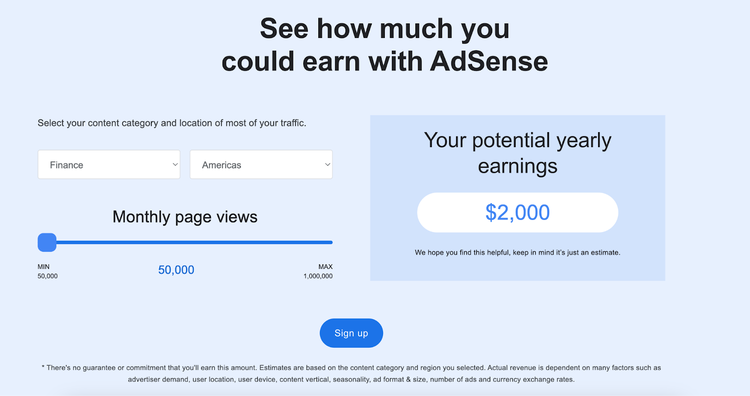
According to the tool, an American finance blog getting 50,000 monthly page views could earn around $2,000 per year:
Other popular ad networks include Media.net, Ezoic, and Raptive.
The right platform for you depends on various factors, including:
Niche and audience fit: Some networks cater better to specific niches or audience demographics
Ad format variety: Choose a network that offers formats suitable for your content and layout
Revenue potential: Evaluate potential earnings based on the network’s payment models and rates
Minimum payout threshold: Ensure the payout threshold is achievable for your earnings level
Integration ease: Consider how easy it is to integrate the ad network with your site
Note
You can sell ad spaces directly on your blog. But it’s easier to join an ad network.
3. Become an Affiliate
Becoming an affiliate means promoting a brand, service, or product in exchange for a commission on resulting conversions.
Generally, this is how it works:
You sign up for an affiliate program (offered by a specific brand) or an affiliate network (which connects you with multiple brands) and provide details about your blog
If you’re approved, the brand provides you with affiliate links that allow them to track your referrals
You share affiliate links with your readers (making sure to disclose them)
You receive payment based on the sales or other types of conversions generated
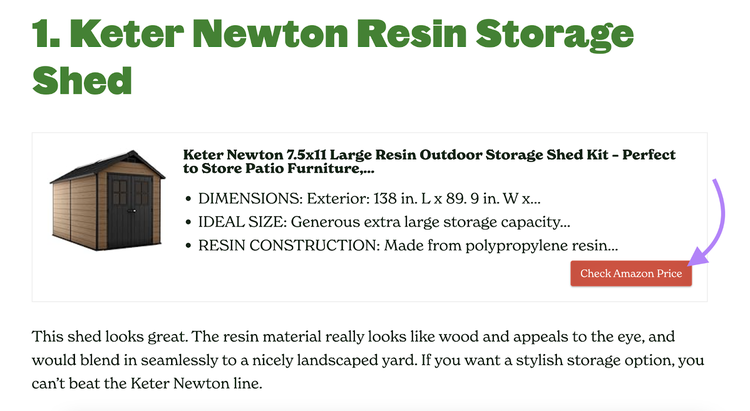
For example, Epic Gardening is a member of Amazon Associates (Amazon’s affiliate program).
This means they can monetize blog posts by adding affiliate links. They earn up to 10% commission when readers click links like these and make a purchase:
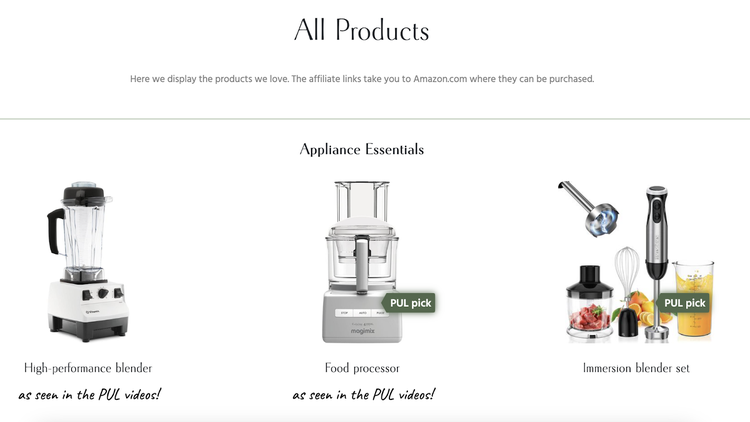
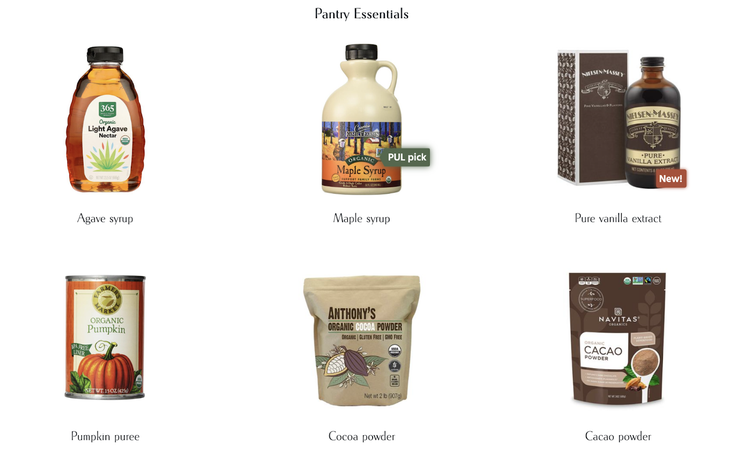
In addition to adding affiliate links to their posts (where natural), some affiliate marketers create online stores populated with affiliate products.
Here’s an example from the Pick Up Limes blog:
The amount you can earn from affiliate marketing depends on various factors, including:
Rates/fees: Brands offer varying percentages or flat fees for each conversion. The amount may differ depending on the product category, your overall performance, customer location, etc.
Cookie duration: The length of time that your affiliate tracking cookie is stored in the user’s browser. A 30-day cookie duration means you get credit for sales made within 30 days of the click.
Attribution model: When multiple affiliates are involved in a sale, the attribution model determines who gets paid. Last-click attribution means the affiliate whose link was most recently clicked gets full credit.
It’s important to understand the full payout terms before entering a partnership.
Tip
If you blog about marketing, check out the Semrush Affiliate Program. You can earn $200 to $350 for every sale.
4. Launch a Membership Program
Consider launching a blog membership program that offers perks in exchange for a regular subscription fee.
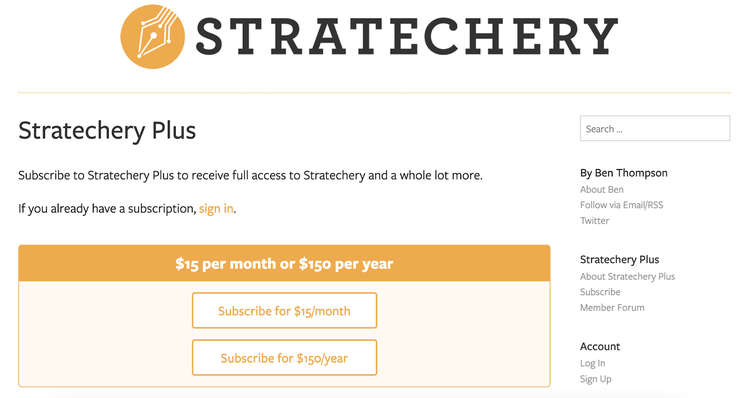
For example, Stratechery Plus members pay $15/month or $150/year for regular exclusive content:
It’s also common to give subscribers access to ad-free content, virtual events, and private online communities. But you should design plans to suit you and your readers.
There are a few ways to enable memberships on your blog:
Use a subscription-based publishing platform like Substack or Ghost
Offer perks through a third-party platform like Patreon or Ko-fi
Build a custom solution with the help of a web developer
Memberships typically work best if you’re an established blogger with a loyal readership. Because people need to trust you and your content before they part with their money.
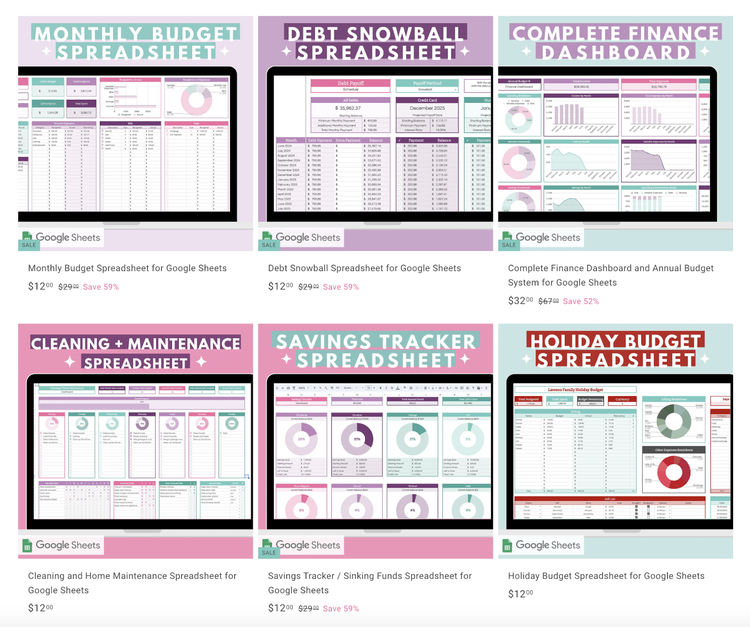
5. Sell Digital Content
Consider selling premium content—i.e., high-quality content that users pay to download or access.
Some of the most common formats include:
Ebooks
Video courses
Templates
Printables
Webinars
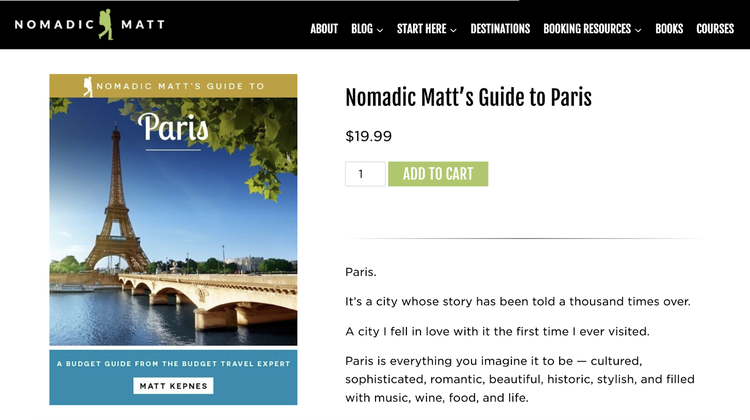
For example, travel blogger Nomadic Matt sells digital guidebooks for $19.99 each:
When monetizing a blog, it’s important to understand your tax obligations and manage your finances properly. Seek advice from your local tax authority or revenue service.
How to Maximize Blog Revenue
Whatever blog monetization methods you use, these tips can help you earn more revenue.
Choose a Profitable Blog Niche
If you haven’t launched your blog yet, choose your niche (main subject matter) with profitability in mind.
Some blog niches are easier to monetize than others because they:
Align with commercial interests. For example, it’s easier to sell products or ads on blogs about fashion than on blogs about mathematics.
Attract less competition. If your blog fills a gap in the market, you may find it easier to attract loyal readers. But low-competition niches can have smaller audiences.
Have wide appeal: Blogs with wide appeal (e.g., global blogs related to popular topics) can attract more visitors. However, it can be harder to stand out in these niches.
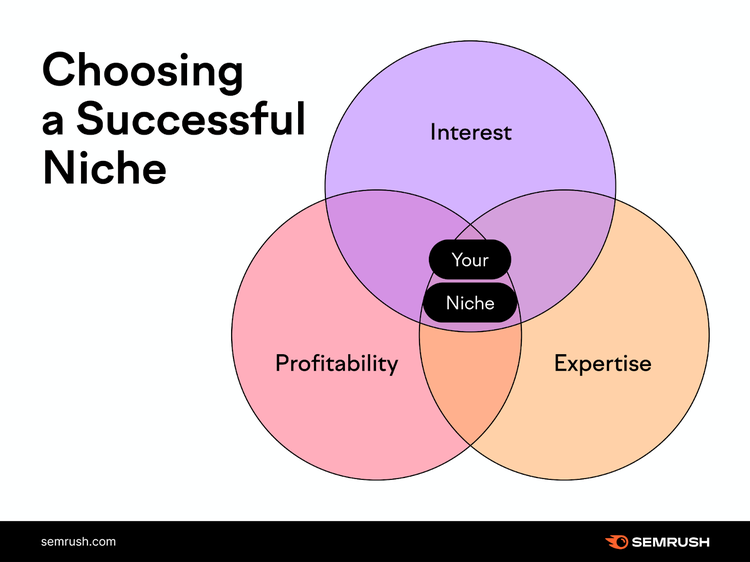
The right blog niche lies at the intersection between your interests, your expertise, and potential profitability.
Increase Traffic
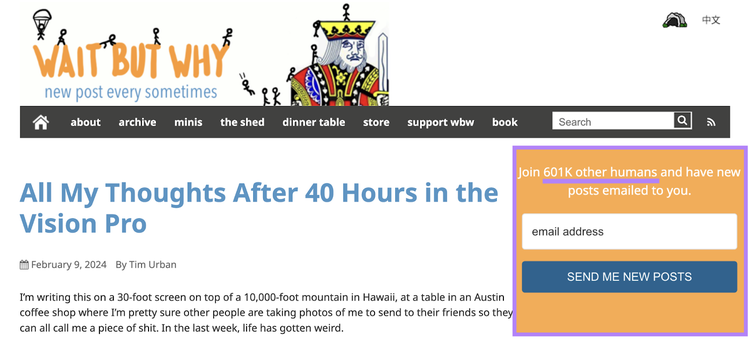
More blog traffic means more people to view ads, click affiliate links, join membership programs, etc. And ultimately, more revenue.
A media kit is a document or webpage that provides information about your blog to potential advertisers, sponsors, and partners.
The goal is to showcase the opportunities for collaboration—and their benefits. So that you can attract more incoming requests.
Media kits typically include:
Traffic statistics
Audience demographics
Social media reach
Advertising options and rates
Testimonials
Contact information
Here’s a snapshot from Adventurous Kate’s “Work with Kate” page:
Focus on Content Quality
Publishing quality content is how you create a blog that people want to read—and brands want to sponsor.
Quality content demonstrates Experience, Expertise, Authoritativeness, and Trustworthiness (E-E-A-T):
Experience: Write about things you have first-hand experience with. And demonstrate this experience through your content. That way, readers are more likely to trust your opinions.
Expertise: Focus on topics within your knowledge and skill sets. And make readers aware of your credentials. This is particularly important for YMYL content that can affect readers’ wellbeing.
Authoritativeness: This largely refers to your reputation in your niche. It should build naturally over time, but you can use digital PR and link building tactics to boost your authority.
Trustworthiness: Make sure your blog content is accurate, honest, and reliable. Perform in-depth research and give readers a reason to trust what you say.
You should also tailor your blog to the specific needs, interests, and preferences of a target audience.
This helps maximize engagement. And makes your blog more attractive to advertisers and collaborators looking to reach the same kinds of people.
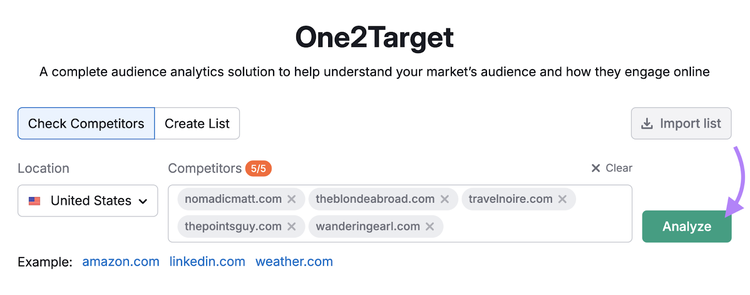
If you need help identifying and defining your audience, use Semrush’s One2Target tool. It tells you about the users who visit the site(s) of your choice.
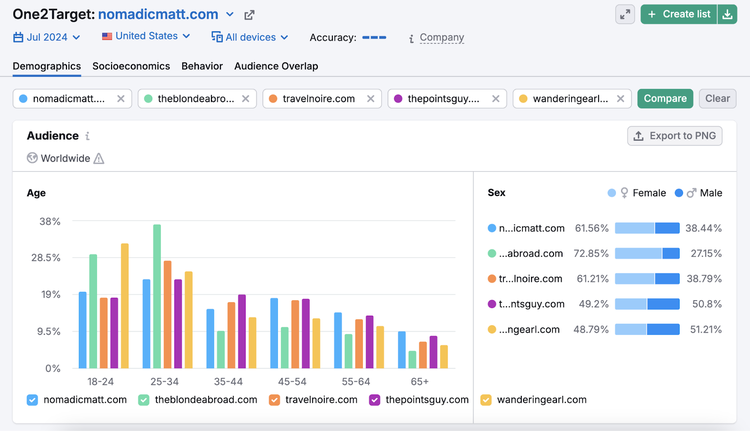
For example, let’s analyze five travel blogs:
Through the various reports, we can learn about the audiences’ ages, genders, household size, income level, employment status, education level, favorite social media sites, and more.
This allows you to build in-depth reader personas—and create content with them in mind.
Rachel is a Senior Content Writer with 12+ years‘ experience in content marketing and SEO. In a previous role as Head of Content at a digital marketing agency, Rachel developed and executed search-driven content strategies for a diverse range of clients, including global ecommerce brands and local B2B companies. She later transitioned to an in-house role at an SaaS startup, where she focused on scaling content operations and driving organic growth.
Subscribe to learn more about General Marketing
Subscribe
By clicking “Subscribe” you agree to Semrush Privacy Policy and consent to Semrush using your contact data for newsletter purposes
Rachel Handley
Rachel is a Senior Content Writer with 12+ years‘ experience in content marketing and SEO. She has worked agency-side, developing and executing content strategies for a wide range of brands, and in-house, driving organic growth for a SaaS startup.
Share
Tells Google to show you more from Semrush in AI, Search, and Discover.