Affiliate marketing is a performance-based strategy in which businesses reward affiliates for attracting new customers through their marketing efforts.
It involves three key players: the merchant (or company), the affiliate (you), and the customer.
Affiliates earn money primarily through commissions. By promoting products or services and driving leads or sales for the merchant.
For example, if you promote a book on your blog and a reader clicks through and buys the book, you earn a commission from the sale.
Affiliate marketing is popular because it's a win-win.
Businesses get more customers. You, the affiliate, get paid.
How Does Affiliate Marketing Work?
Affiliates promote a company’s product or service and receive a commission for completed actions, such as sales, leads, or visits.
After signing up for an affiliate program, you get unique links that track the traffic and sales you generate.
Then, you promote the company’s products or services using your platforms, such as a blog, social media account, newsletter, or website.
And earn commissions when people click on your affiliate link and make a purchase (or another desired action).
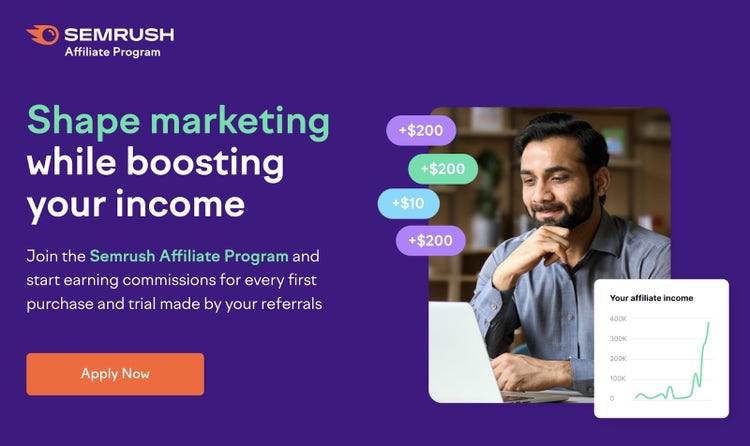
For example, if you join Semrush’s Affiliate Program, you can earn $200 for every sale you make, plus $10 for every free trial your referrals sign up for.
Benefits of Affiliate Marketing
Here’s why affiliate marketing is worth considering:
Low Barrier to Entry
No product? No problem.
Affiliate marketing lets you start selling without creating a product.
You promote others’ products and earn a commission for each sale made through your referral.
It’s as straightforward as choosing a product, sharing it, and earning for every successful referral.
Low Risk
Affiliate marketing is a low-risk venture.
You’re not creating a product or holding inventory. And signing up for an affiliate program is typically as straightforward as filling out an online form.
Your investment?
Time and effort.
If a product doesn’t resonate with your audience, switch to a different one.
No significant loss incurred.
Easily Scalable
Your affiliate marketing efforts aren’t subject to traditional business constraints.
You can reach a global audience. And scale by offering a diverse selection of affiliate products.
Adding more products to your portfolio can attract a wider audience and increase earning potential.
And more quality content and optimized promotion strategies can help scale your income as your reach expands.
Passive Income
Affiliate marketing can generate income while you sleep.
Once your promotional content is up and running, it can keep earning even when you’re not actively working on it.
But it’s not a get-rich-quick scheme.
You need consistent effort and time to build a successful affiliate marketing business.
Types of Affiliate Marketing
There are three primary types of affiliate marketing: unattached, related, and involved.
Unattached
Unattached affiliate marketing is the most basic form.
Here, the affiliate has no connection or authority in the niche of the product or service they’re promoting.
They use channels like PPC (pay-per-click) or platforms like Facebook Ads to drive traffic to their affiliate links.
It’s a hands-off, low-commitment approach where the affiliate doesn’t need to be an expert in the product’s niche.
An example of unattached affiliate marketing could be an individual running ads for a fitness gadget they've never used.
They’re directing clicks to the merchant's sale page without personal endorsement or product testing.
Related
In related affiliate marketing, the affiliate has some authority in that product or service’s industry but isn’t deeply involved.
They have knowledge of the niche, which aids in promoting the product. But their endorsement isn’t based on personal use.
This model benefits from an increased level of trust from the audience, as the affiliate is viewed as a reliable voice in the niche.
For example, a related affiliate could be a fitness blogger who promotes nutritional supplements.
Their content about health and fitness naturally aligns with the supplements. Which makes the promotion seem more relevant and trustworthy.
Involved
Involved affiliate marketing is when the affiliate has personally used the product or service.
It’s a personal endorsement.
This type of affiliate marketing builds trust with the audience. And can lead to higher conversion rates.
Think of a tech gadget reviewer who personally tests devices and shares comprehensive reviews and usage tips.
Their insight and reliability can help influence their audience's purchasing decisions.
For the purposes of this article, we’ll focus on related and involved types of affiliate marketing.
This method focuses on affiliate marketing with a website. But, as stated earlier, some methods do not require you to have a website.
1. Choose a Niche
Your niche is the specific market you want to target.
For example, sports nutrition supplements, tech gadgets or home gym equipment.
Choose a niche that aligns with your interests and expertise. You’ll be more successful in marketing products or services that interest you.
And it’ll be much easier to create content and engage with your audience.
Next, research the popularity and market demand of your niche.
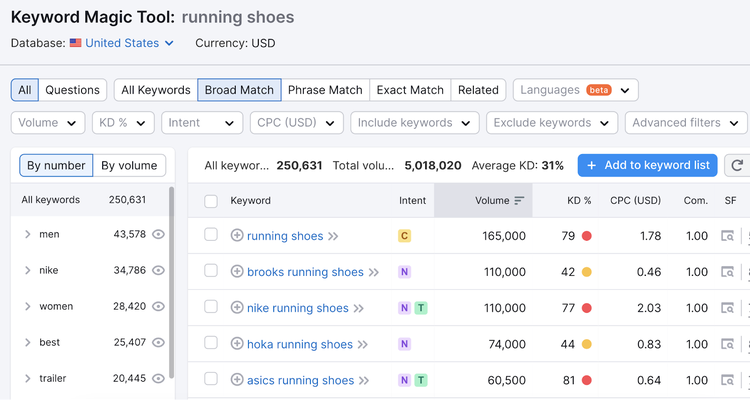
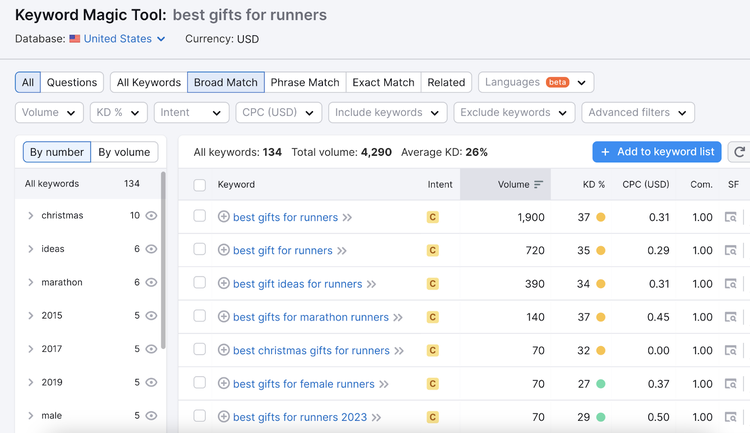
Start with a tool like our free keyword generator to find keywords with high search volumes in your areas of interest.
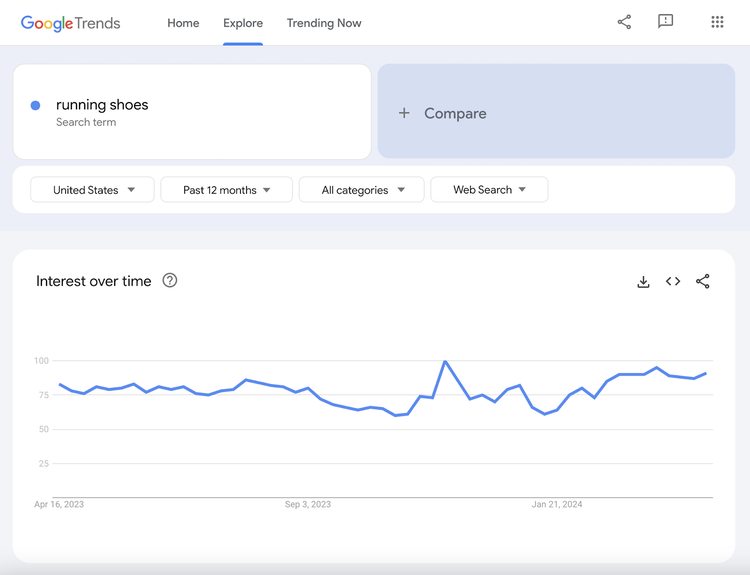
Google Trends can help you analyze the popularity of search terms over time.
Choose a blog niche that’s not just a passing trend. But one that has the potential for sustained interest and growth over time.
2. Build a Simple Website
Your website is your online storefront.
It’s where you’ll promote affiliate products and engage with your audience.
When building your website, focus on following SEO best practices, creating a user-friendly design, and providing valuable, quality content.
To attract and retain your audience.
But remember: Your website doesn’t have to be perfect right away.
Just get it up and running. And continually improve it over time.
Tip
Once your site is set up, use Semrush’s Site Audit to check for any issues that might hold it back.
3. Choose an Affiliate Program
Finally, choose the right affiliate program for you.
Look for programs that offer products relevant to your niche.
Consider factors like commission rates, payment terms, and the program’s reputation.
For example, you might prefer a fixed commission rate, like Semrush’s Affiliate Program. Which pays $200 for every sale and $10 for every free trial sign-up.
Or you might want a percentage commission from sales, like Amazon’s affiliate program, Amazon Associates. It pays up to 10% from qualifying purchases and programs.
Research and compare.
Focus on payout methods, the level of support provided, and any resources available to help you promote.
How to Make Money with Affiliate Marketing
Making money through affiliate marketing involves multiple steps beyond just joining a program.
Let’s explore how to earn money with affiliate marketing:
Tip
Sign up for a free Semrush account to get access to 55-plus tools and follow along with the steps.
1. Create High-Quality Content
Your content should be relevant, engaging, and useful. Ensure it’s well-researched, well-presented, and tailored to your audience.
Start by identifying topics your audience cares about.
Work to understand their needs and interests. To create content that resonates with them.
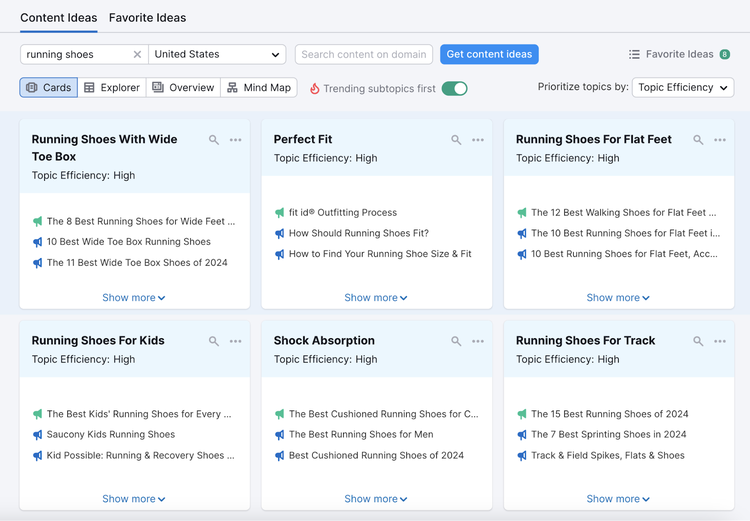
Enter a broad topic to see tons of related subtopics:
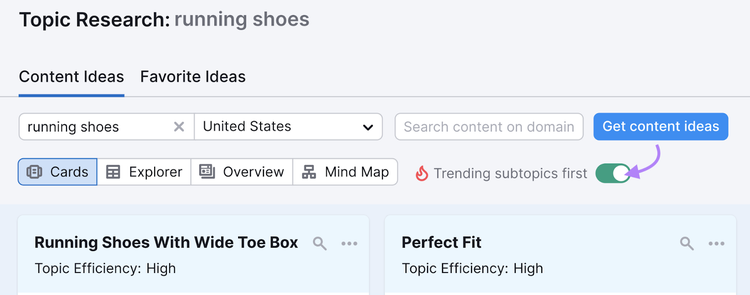
Toggle the trending subtopics slider to see the most popular subtopics over the past 60 days.
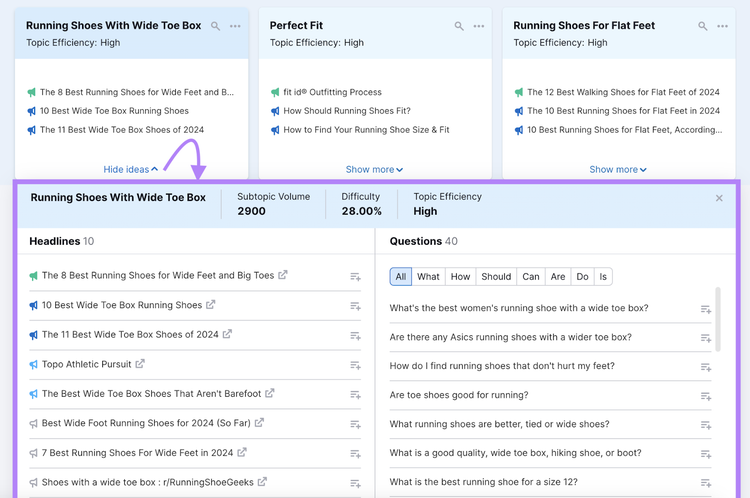
Click on any card to see popular headlines, related questions, related searches, and more.
Use these ideas as a starting point for creating your content.
Tip
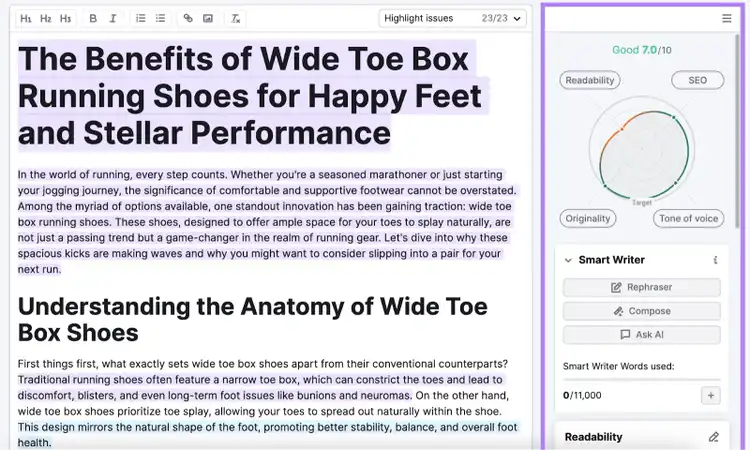
As you write content, run it through SEO Writing Assistant to optimize for originality, readability, tone of voice, and SEO potential.
2. Promote Relevant Products
Promote products that align with your audience's interests, needs, and pain points. Relevance boosts engagement and trust.
For example, if you’re a fitness blogger, you could promote fitness equipment or health supplements.
But don’t promote simply for the sake of promoting and trying to make more money.
Choose products you're genuinely interested in or have experience with.
Sincerity goes a long way. And translates into more convincing promotions.
Plus, product mentions should feel natural and add value to your content.
Work to integrate them seamlessly and naturally.
Blend mentions within valuable content to avoid making your content feel overly promotional.
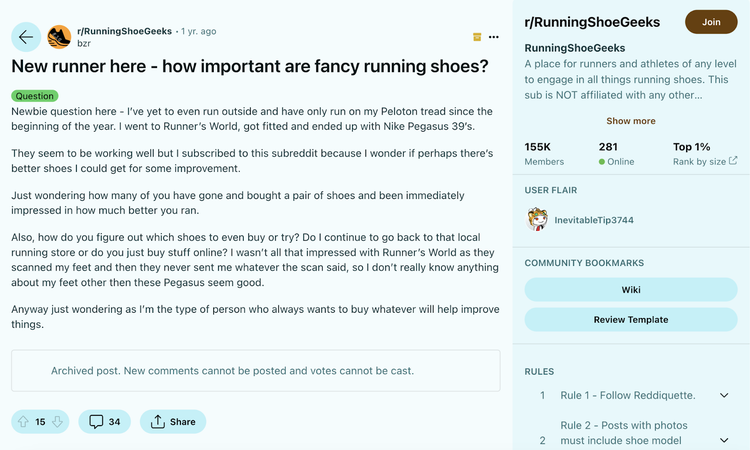
Like this Runner’s World article about the best gifts for runners:
Strike a balance between informative and promotional content.
Provide value first and promote products second.
Readers are more likely to follow your recommendations if they believe in your honesty and integrity.
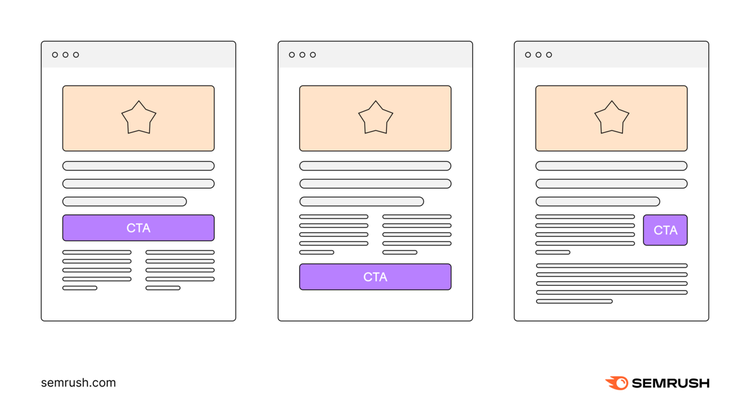
3. Optimize for Conversions
Optimizing for conversions, or conversion rate optimization (CRO), involves using tactics to increase the percentage of visitors who convert on your site.
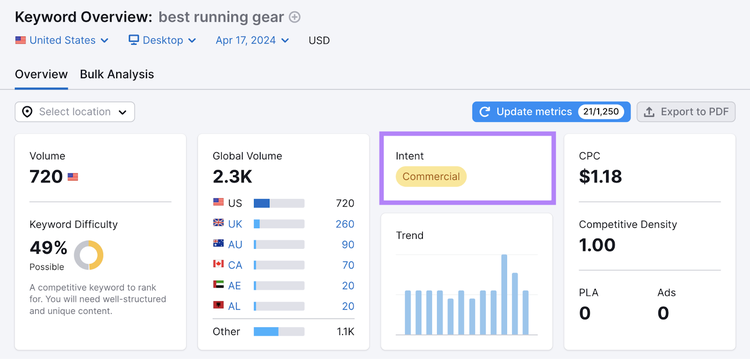
Like making sure your pages match search intent (the reason behind a user’s query).
For example, if someone searches for “best running gear,” they likely expect to see websites that compare and list different types of running gear.
If they land on a page selling one pair of running shoes, they will likely leave.
You look at the results and realize maybe one blog post isn’t enough.
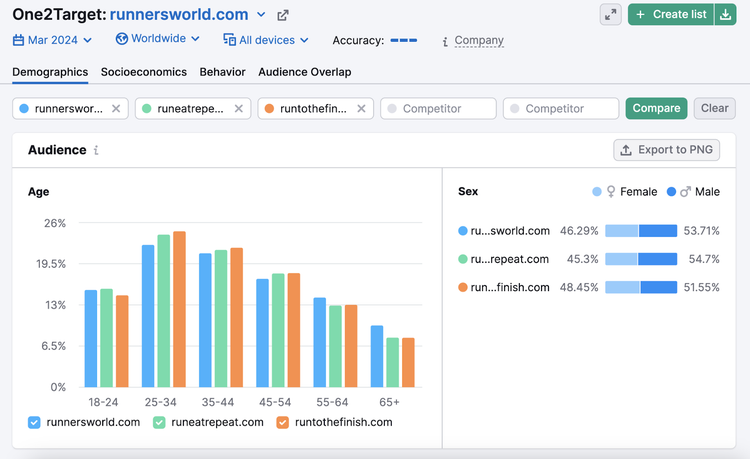
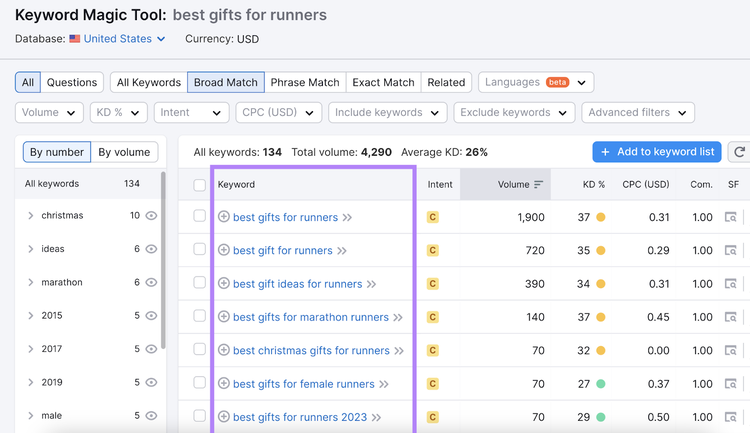
Then, create more blog posts (and promote even more products) for more specific keywords like “best gifts for trail runners,” “best gifts for marathon runners,” “best gifts for new runners,” and others.
Use the insights from your keyword research to create content that meets your audience’s needs.
Then, apply on-page SEO techniques to optimize your content.
This includes strategically placing target keywords and optimizing meta tags, internal links, URLs, and images.
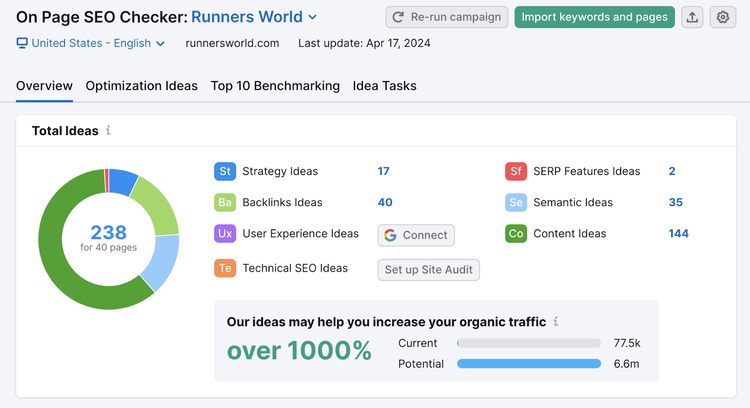
Get quick, actionable on-page SEO optimization ideas for your site by running it through On Page SEO Checker.
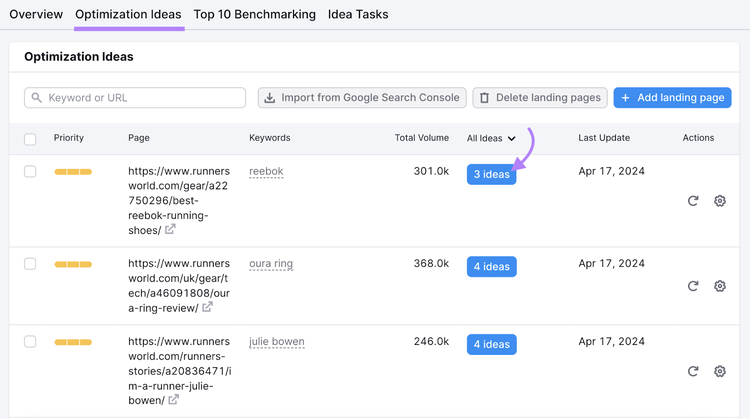
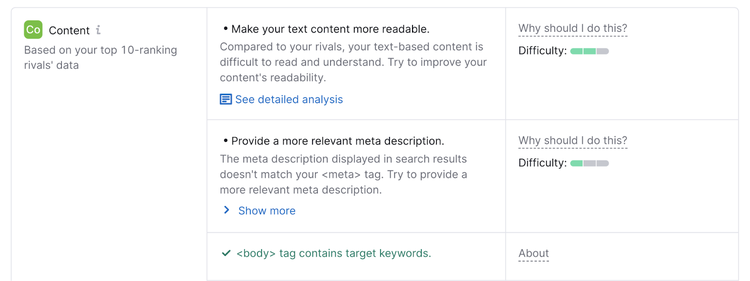
Head to the “Optimization Ideas” tab and click the “# ideas” blue button to see recommendations for that specific page.
You’ll see information about each recommendation. Plus details about why it’s recommended.
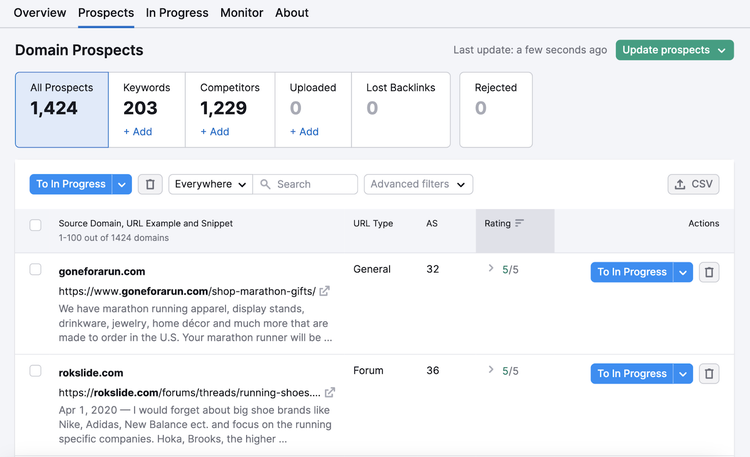
Another way to leverage SEO is to build backlinks.
A backlink is a link from another site to yours. Backlinks can help you increase brand awareness, drive traffic, and improve your SEO performance.
Why?
Google sees backlinks as recommendations from other sites. And, generally, the more relevant backlinks a page or site has, the more trustworthy it’s perceived to be.
If you create high-quality content, you’ll likely earn backlinks naturally.
Carlos Silva leads the editorial pipeline for the English blog—coordinating writers, editors, strategy, and building AI workflows that boost content quality and AI visibility. With 10+ years of experience writing and editing across in-house and agency roles, Carlos blends content strategy, SEO, and AI to help marketers stay ahead of an evolving search landscape.
Subscribe to learn more about General Marketing
Subscribe
By clicking “Subscribe” you agree to Semrush Privacy Policy and consent to Semrush using your contact data for newsletter purposes
Carlos Silva
Carlos Silva leads the editorial pipeline for the English blog and builds AI workflows that boost content quality and AI visibility. 10+ years writing and editing across in-house and agency roles.
Share
Tells Google to show you more from Semrush in AI, Search, and Discover.