Outbound marketing is when you actively reach out to potential customers to promote your products or services. To capture attention and generate interest in your offerings, so they’ll buy from you.
For example, the below search ad from Betterment:
This approach is often called "push" marketing. Because you’re reaching out to potential customers instead of waiting for them to come to you.
It's the opposite of inbound (or "pull") marketing. Which involves creating content to attract interested prospects to you.
Outbound Marketing Examples
Some examples of outbound marketing include:
TV commercials
Radio ads
Print and digital ads
Billboards
Direct mail
Cold calls
Cold emails
Pros and Cons of Outbound Marketing
Thinking about investing in outbound marketing? Make sure you know what you’re getting into first.
Pros
Here are the advantages of outbound marketing:
Wide reach: Outbound tactics can help you reach a large audience quickly, which is especially beneficial for new businesses and those entering new markets
Immediate impact: Outbound marketing can generate leads and sales quickly. To provide an immediate boost to your business.
Brand awareness: Outbound tactics that are used consistently can boost brand recognition and recall
Tip
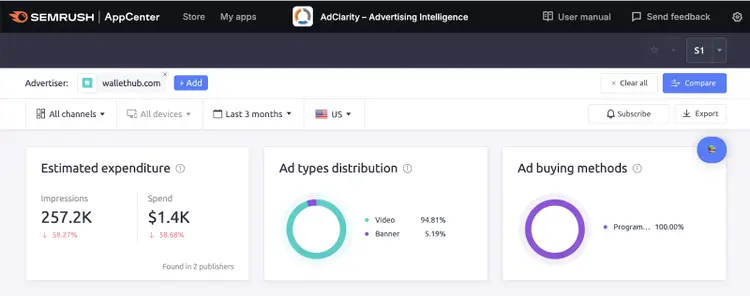
Studying your competitors’ display, social, and video ads with the AdClarity app uncovers their strategies and provides inspiration. So you can replicate what’s worked for them.
Cons
Here are the downsides of outbound marketing:
Intrusive nature: Outbound tactics like cold calls and unsolicited emails can be seen as invasive or annoying
High cost: Outbound marketing can be expensive, especially if you're using tactics like TV or radio advertising
Low engagement: Outbound tactics often don’t yield much action from prospects
Short-term results: Outbound marketing’s results often stop once your campaigns end
Inbound vs. Outbound Marketing
Inbound marketing focuses on creating valuable content that people want to engage with. To draw prospects to you and nurture relationships with them.
Social media posts are a great example of content that’s often used for inbound marketing. Like this one from Investopedia:
Here are a few other types of content used for inbound marketing:
Blog posts
YouTube videos
Email newsletters that recipients subscribed to
People discover this content themselves (or opt in to receive it), so it doesn’t feel intrusive. And as they learn about your company and your products or services, they may eventually make a purchase.
But don’t feel like you need to make a choice of inbound versus outbound marketing. Using both typically yields the best results.
How to Start Integrating Inbound Marketing
If you've only been thinking about outbound tactics, it’s time to work on incorporating inbound marketing into your efforts.
Here’s how you can get started:
1. Define Your Target Audience
Your target audience represents the ideal customers who you want to attract with your content. And knowing who they are helps you create content that resonates with them.
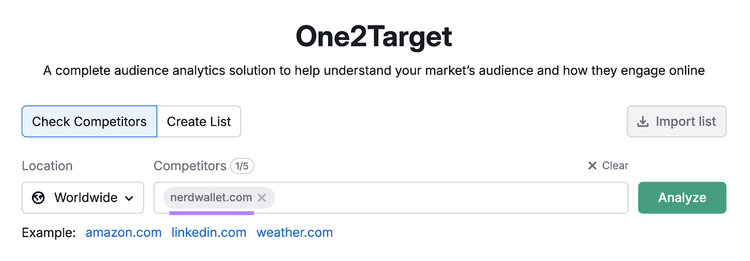
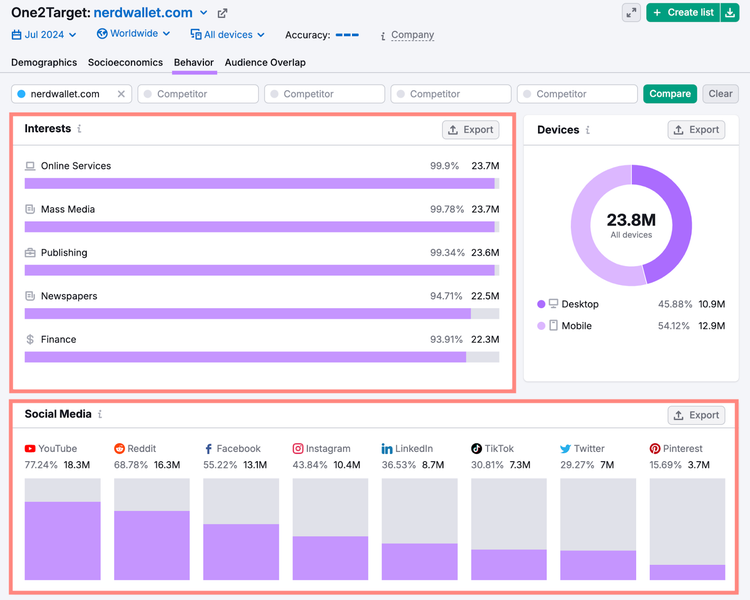
To learn about your target audience, use Semrush’s One2Target tool.
Start by entering a competitor’s URL into the tool and clicking “Analyze.”
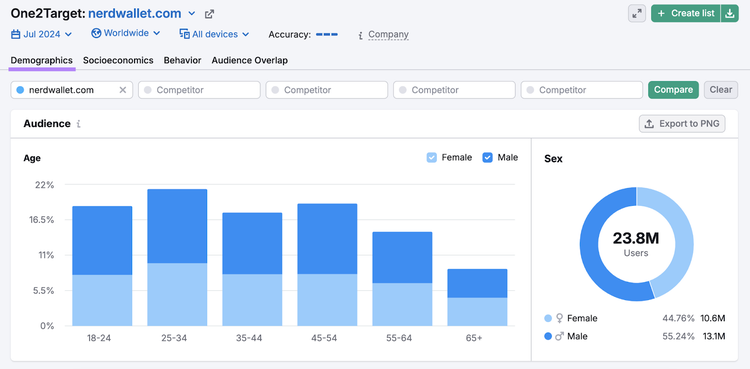
You’ll first see the “Demographics” tab that shows information about your audience’s age, gender, and location. Which can inform the language and tone you’ll use in your content.
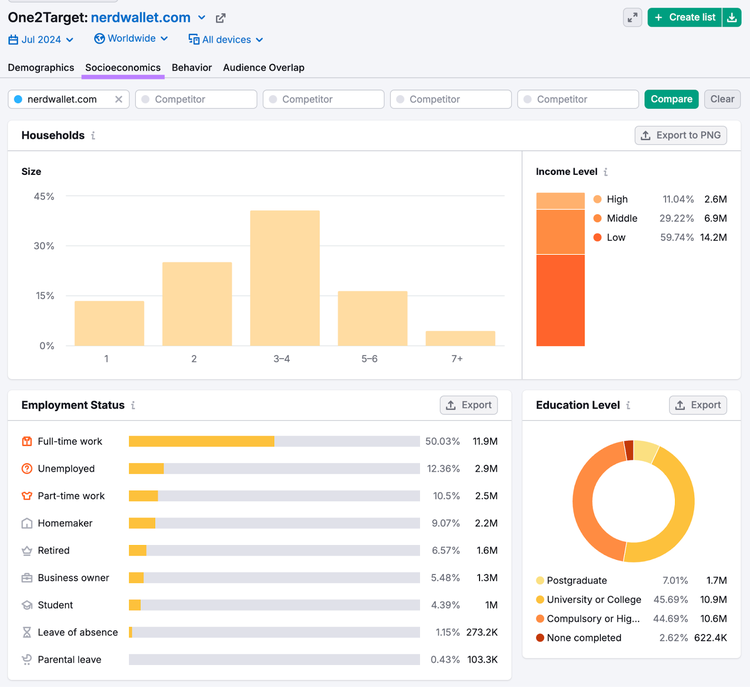
The “Socioeconomics” tab provides details about the audience’s household size, income level, employment status, and education.
This information can guide you in creating content that aligns with their lifestyle.
And the “Behavior” tab reveals things like the social media platforms your audience uses and the types of websites they visit. To inform where you’ll eventually distribute your content.
These insights will help you create content that appeals to your audience.
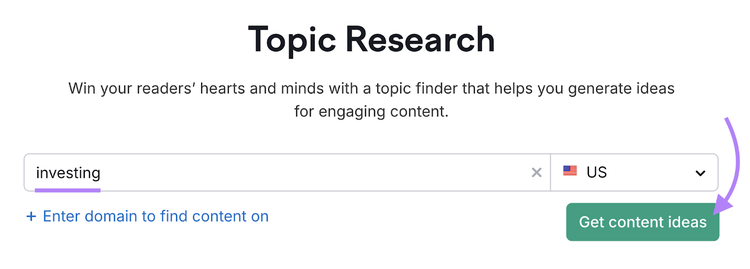
Once you have a clear understanding of your target audience, you need to identify topics your audience is interested in. To ensure your content is relevant and valuable to them.
Let’s say you’re in the personal finance and investing space.
Just enter a broad term related to that niche in the search bar and click “Get content Ideas.”
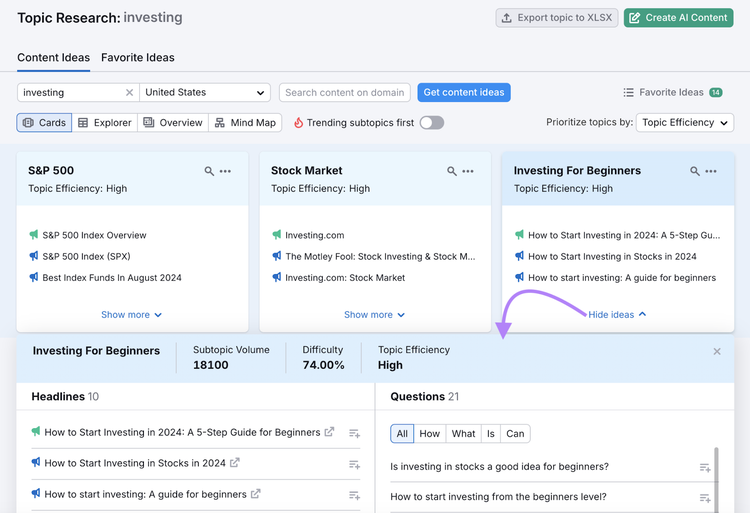
You’ll see subtopic ideas grouped into different cards.
Each card shows how many searches the subtopic gets each month in search engines, headlines from the top pages that appear in search results, and common questions people are asking about the topic.
Evaluate the cards to determine which subtopics are the best fit for your company and the type of content you want to write.
For example, “Investing for Beginners” would be a good choice if you want to write an informational guide in the form of a blog post.
Next, you need to ensure your target audience actually finds your website content. And a great way to do that is through on-page SEO (page improvements that help improve search engine visibility).
Here are a few on-page SEO techniques that can help:
Use relevant keywords. Incorporate relevant keywords (like the subtopic terms you found earlier) into your content. Try using them in your title, headings, and throughout the body text. To help search engines understand what your content is about.
Optimize your title tags and meta descriptions. Your title tags and meta descriptions are what users see in search engine results. So, make sure they’re compelling and include your primary keyword to improve your chances of getting clicks.
Use internal links. Include internal links to other relevant content on your website to provide useful resources and enable search engines discover more of your content
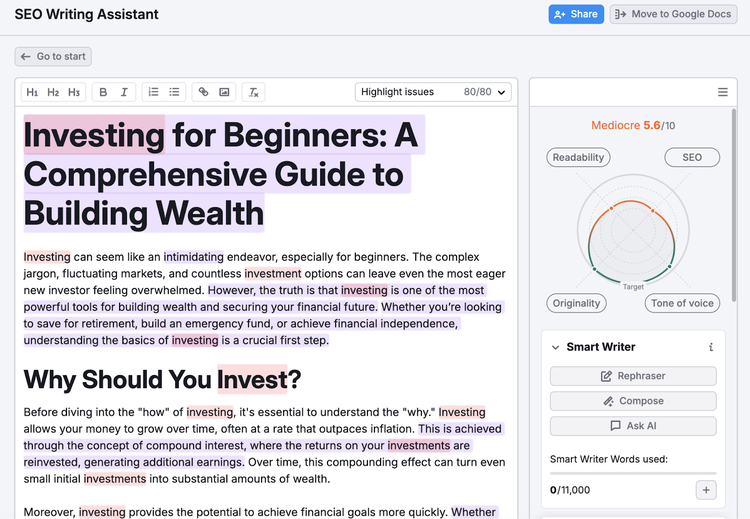
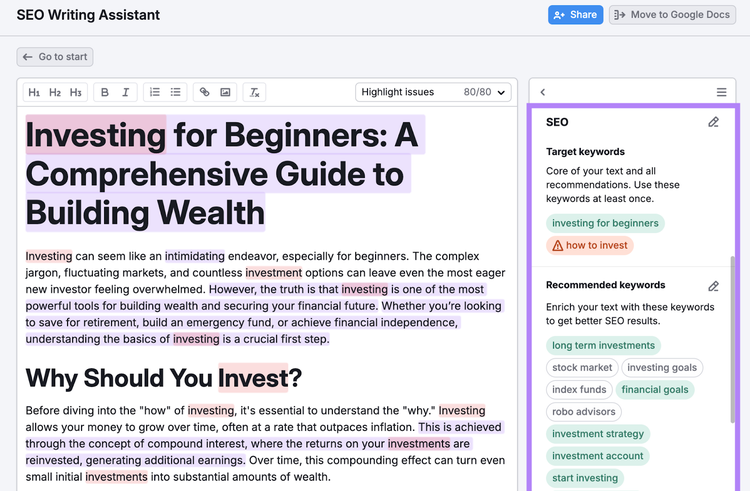
Just enter your keywords and type your content directly in the editor. And the tool will grade your content as you write.
It will even provide SEO suggestions. Like recommending additional keywords to include for better results.
4. Use Additional SEO Tactics
Even well-optimized content is unlikely to rank if you don’t have a technically healthy site and aren’t seen as a credible source. So, you’ll want to apply some additional SEO techniques.
First, focus on page speed. Because it’s better for the user experience and can improve your rankings in search engines.
You can work with a developer to optimize your website's loading speed. Which may involve compressing images, minimizing code, and leveraging browser caching.
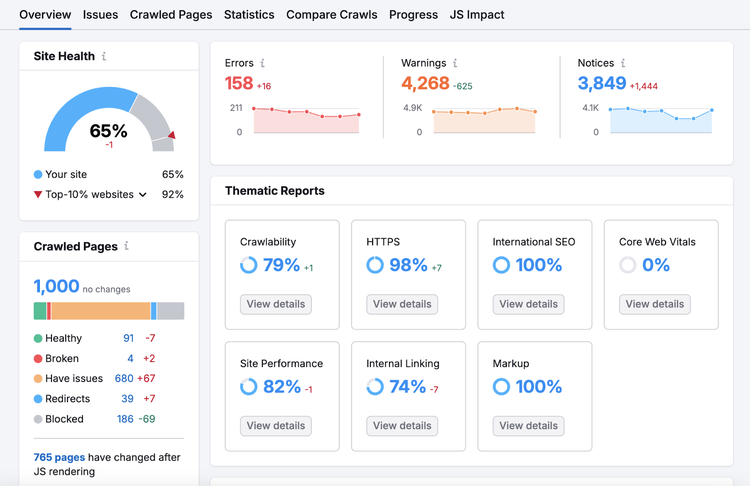
And we recommend checking your site with an SEO Audit to identify any technical issues that may be holding you back.
Next, reach out to reputable websites and blogs in your industry to earn quality backlinks to your content.
These are important for rankings. Because they signal to search engines that your content is trustworthy.
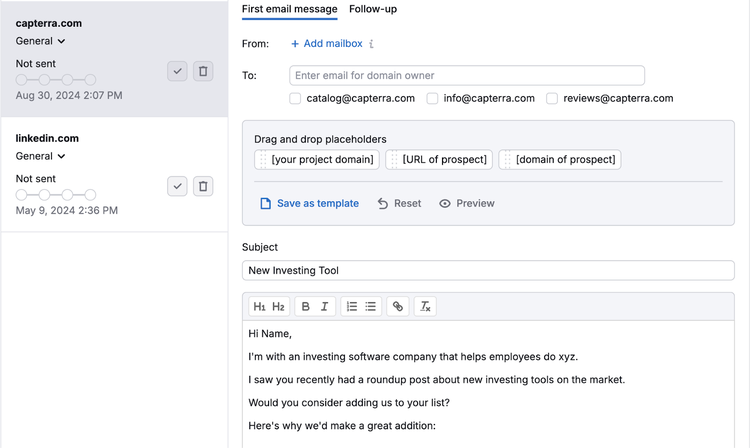
Start your outreach using the Link Building Tool. And manage your entire campaign directly within the tool.
These are just the basics. So, take a look at our comprehensive SEO guide to learn more about how to optimize your website for search engines.
Social media is another great avenue for connecting with your target audience. Because they naturally spend their time on these platforms.
Which social media platforms should you use?
Let the audience research you did earlier guide your choices. For example, if your target audience is primarily using Instagram and TikTok, these are good platforms to focus on.
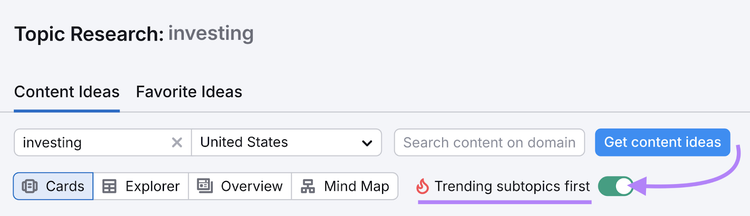
To gather some ideas for social media content, go back to Topic Research. And click the toggle next to “Trending subtopics first.”
Doing this will show you (with a flame icon) subtopics that have gained a lot of popularity over the last 60 days. Meaning they’re especially timely.
Once you have some ideas and are ready to start posting, follow these tips to use social media effectively:
Share valuable content. Post infographics, videos, and links to your website content that are likely to resonate with your audience.
Engage with your audience. Respond to comments, ask questions, and participate in discussions to build relationships.
Use hashtags. Incorporate relevant hashtags to increase your visibility and reach a broader audience.
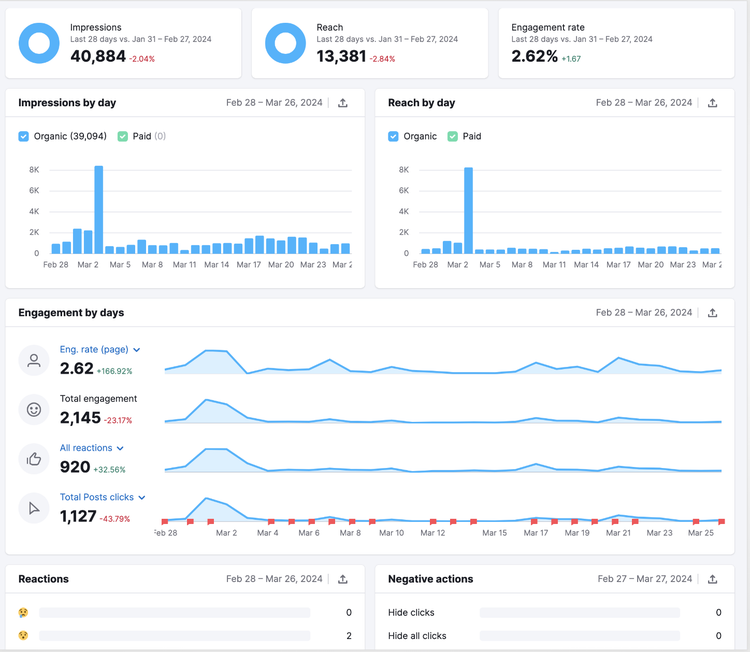
Analyze performance. Use Social Analytics (part of Semrush Social) to learn what content resonates most with your audience and refine your strategy accordingly.
Expand Your Marketing Activities
Both inbound and outbound marketing tactics should be part of your marketing mix.
By integrating these approaches, you can maximize your marketing efforts and drive sustainable growth for your business.
Semrush offers tools to help with both. Sign up to get started today.
Sydney has been creating content for over 10 years. She has been a writer, content manager and coordinator, editor, and strategist. At Semrush, she’s a blog editor who makes sure each article is as accurate, optimized, and helpful as possible.
Subscribe to learn more about General Marketing
Subscribe
By clicking “Subscribe” you agree to Semrush Privacy Policy and consent to Semrush using your contact data for newsletter purposes
Share
Tells Google to show you more from Semrush in AI, Search, and Discover.