Online marketing is the practice of using the internet to promote your products, services, or brand to potential customers. It involves creating and distributing content digitally that attracts, engages, and converts.
Online marketing, also known as digital or internet marketing, differs from traditional marketing in that it helps you reach a global audience, measure results in real time, and adapt quickly.
And allows for more control over budget, targeting, and personalized messaging.
Online marketing is a combination of strategies and tactics such as search engine optimization (SEO), pay-per-click (PPC) advertising, email, video, social media, and more.
Benefits of Online Marketing
Here are some of the main benefits of online marketing:
Cost-effective: It’s generally much cheaper than traditional marketing methods, such as TV, radio, or print ads. You can create and distribute content for free or at a low cost. And measure results with free tools like Google Analytics.
Targeted: It allows you to target your audience based on their demographics, interests, behaviors, and location. You can also segment your audience and personalize messages for each segment. To boost conversion rates and loyalty.
Flexible: Online marketing offers the flexibility to adapt your strategy and tactics based on your goals, budget, and feedback. A/B test different ideas, experiment with new channels, and optimize campaigns in real time.
Scalable: It enables you to reach a large, global audience with minimal resources. Leverage social media, email, and search engines to amplify your message and generate more leads and sales.
Trackable: It allows you to track and measure performance with data and insights. Know how many people visit your website, how they interact with your content, and how they convert. Use this information to improve your online marketing strategy and return on investment (ROI).
Types of Online Marketing
Search Engine Optimization
Search engine optimization (SEO) is a set of processes intended to improve your website’s visibility in search engines like Google.
It involves optimizing your site’s content, structure, and user experience.
Every day, users conduct billions of searches for products, services and information. A strong SEO strategy can improve where your site appears in the SERPs.
The better you rank, the more traffic you can drive. And more traffic can mean more customers and brand awareness.
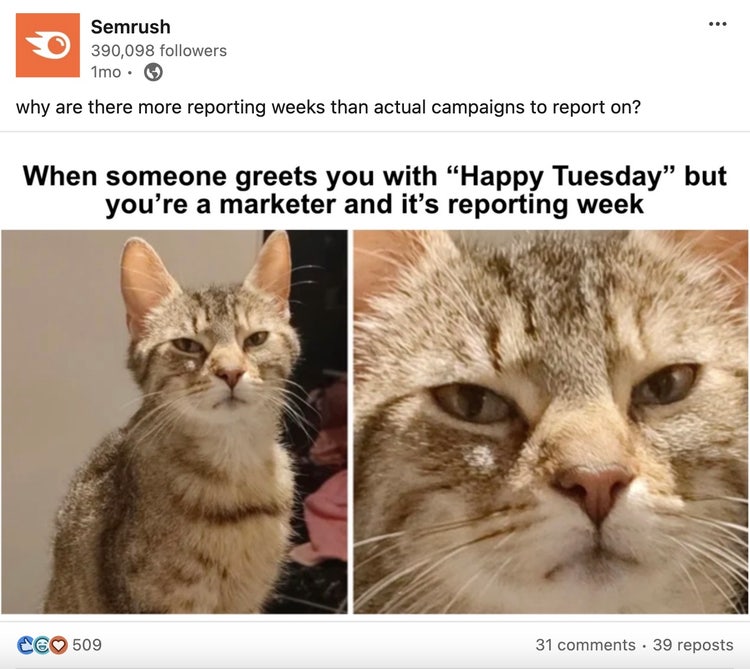
Social media marketing leverages platforms like Facebook, X (formerly Twitter), Instagram, or LinkedIn to connect with your audience, share your content, and build a community.
Use social media to increase your brand recognition, engage with followers, boost traffic, drive sales, and more.
Social media also serves in monitoring your online reputation, gathering feedback, and providing customer service.
Tip
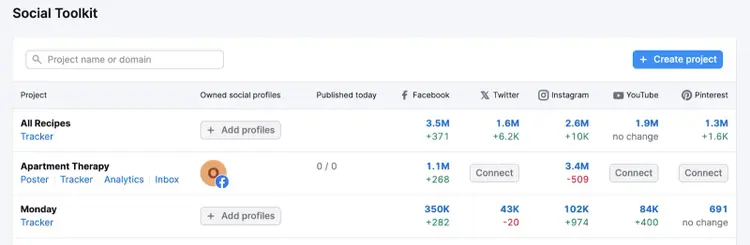
Use Semrush Social to schedule and post to multiple social media accounts, track competitors, analyze performance, and more.
Content marketing involves creating and sharing valuable, relevant, and useful content to attract and retain your target audience.
It can include blog posts, ebooks, videos, podcasts, infographics, or webinars.
Instead of directly promoting products, content marketing focuses on building a relationship with your audience. By providing them with valuable content. And earning their trust.
When they’re ready to purchase, your brand will be top of mind.
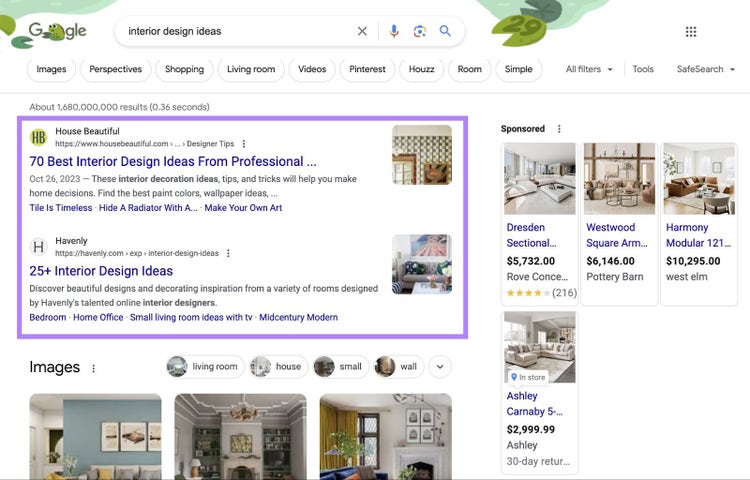
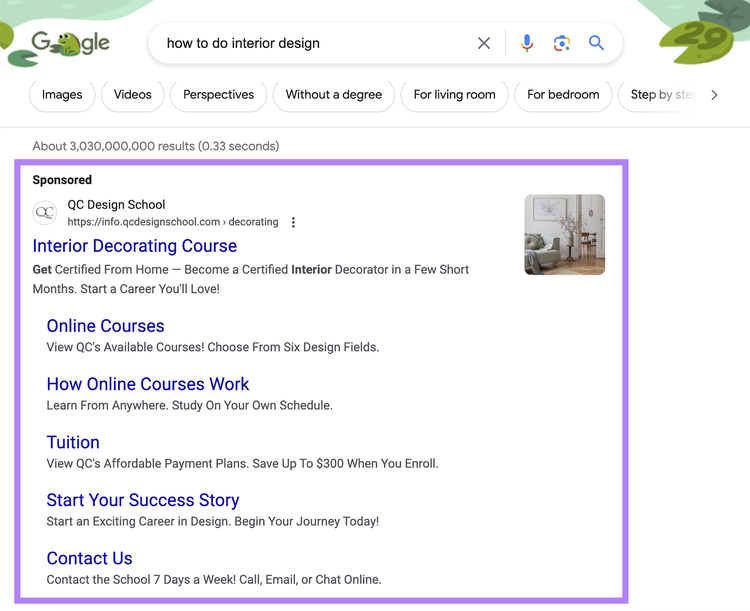
Pay-per-click (PPC) is a type of online advertising where you pay every time someone clicks on your ad. PPC ads can appear on search engines, social media, websites, or apps.
Like this:
PPC allows you to bid on keywords that are relevant to your business. And target ads to specific locations, devices, and demographics.
So you can reach a large and targeted audience, control your budget, and easily measure results.
Unlike organic SEO, which grows visibility over time, PPC offers more immediate results.
It can help you quickly boost brand awareness, attract more visitors, and drive more conversions.
Tip
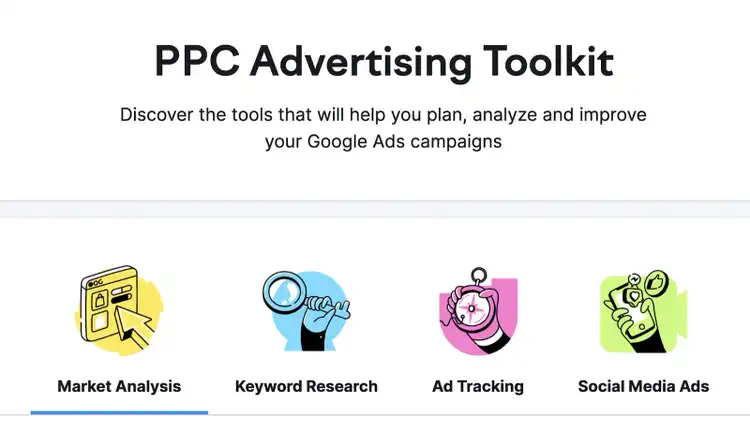
Use our PPC Toolkit to plan, analyze, and improve your PPC campaigns.
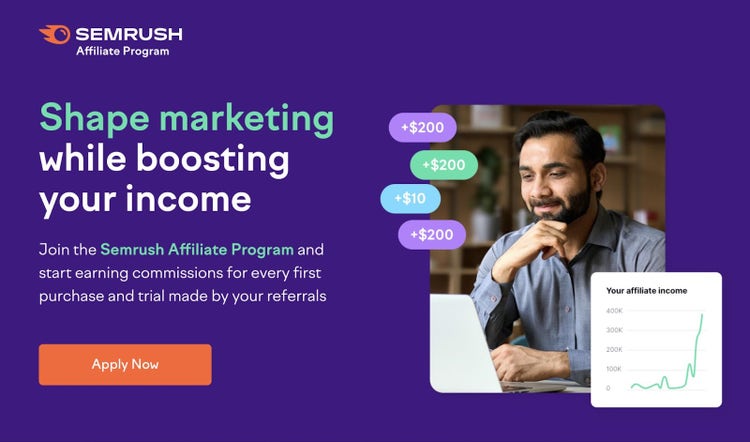
Affiliate marketing is a tactic in which a brand pays a commission to another brand or individual for promoting its products or services.
Unlike influencer marketing, which uses someone's popularity and audience trust to influence purchases, affiliate marketing focuses exclusively on driving conversions.
If you run an affiliate program, you provide affiliates with a unique tracking link and pay a commission for each purchase made by their referrals.
Affiliate marketing extends your reach beyond your immediate network, using affiliates as external salespeople.
It’s a win-win relationship.
Affiliates make money. And you sell more with less advertising expense.
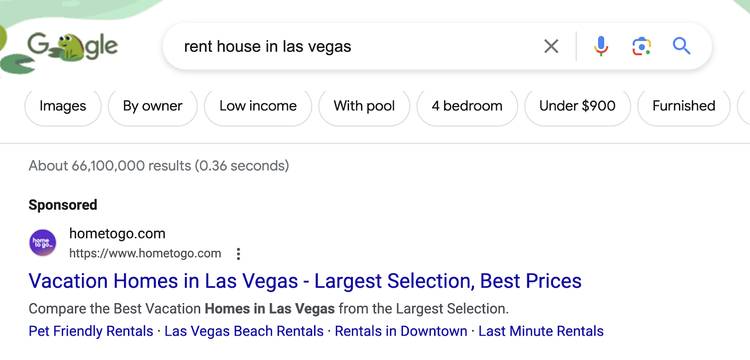
HomeToGo frequently uses PPC to target people searching for accommodation options in different locations.
Each ad is optimized for specific keywords to drive traffic to its listings.
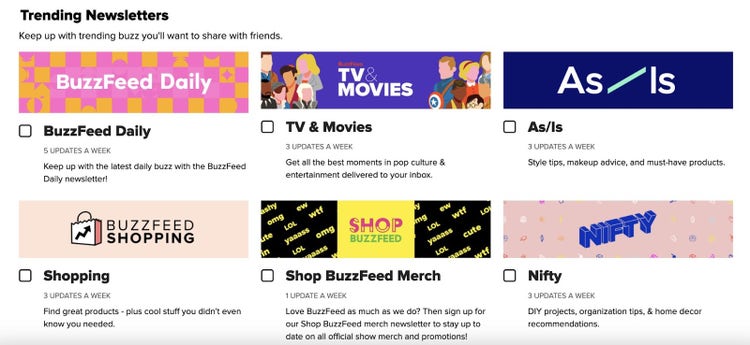
BuzzFeed, known for its engaging content, uses email marketing to segment its audience and send personalized content recommendations. And drive traffic back to its website.
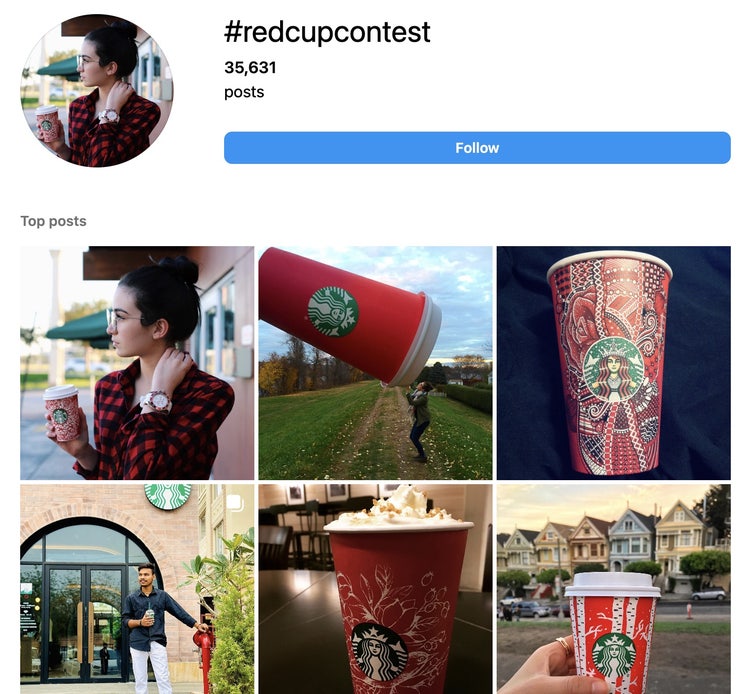
Starbucks uses social media marketing to engage with customers, promote the brand, and launch interactive campaigns.
A great example is the #RedCupContest on Instagram, which encourages users to post creative photos of their red holiday Starbucks cups.
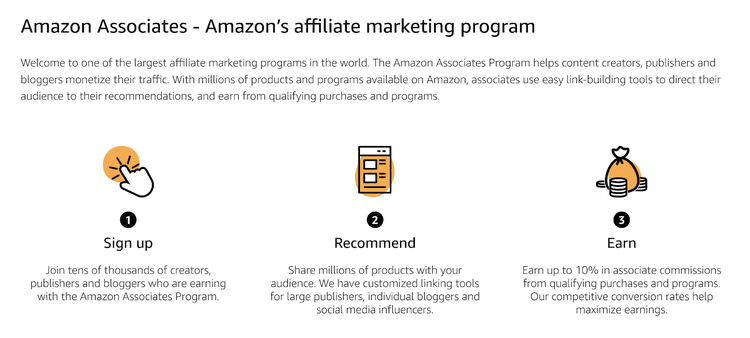
Amazon allows website owners and bloggers to earn commissions by referring customers to its site.
It’s one of the largest and most successful affiliate marketing programs.
Glossier, a beauty brand that relies heavily on influencer marketing, partners with influencers of all sizes across social media. To reach potential customers through trusted voices in the beauty community.
How to Start in Online Marketing
Here are seven steps to get started with online marketing.
Tip
Sign up for a free Semrush account to follow along with the steps in this guide.
1. Define Your Target Audience
These are the people most likely to be interested in your products, services, or brand.
First, conduct market research. This helps you learn about your current and potential customers.
Gather data through methods like surveys, social media insights, feedback forms, and research tools.
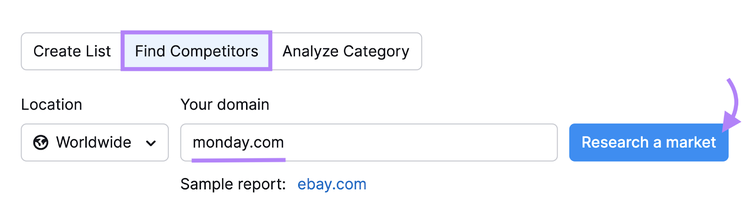
Use Market Explorer to gather information about your industry.
Select a location, choose your business category, and click “Research a market.”
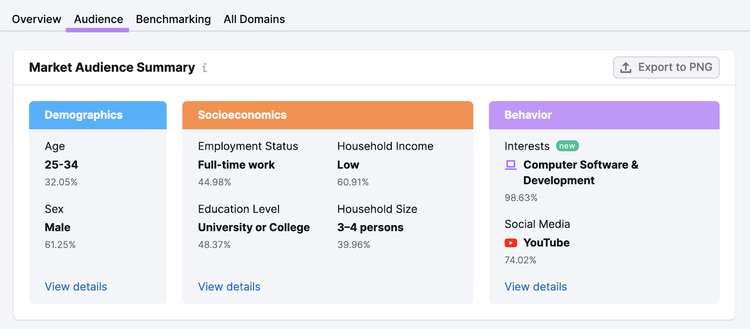
Then, head to the “Audience” tab.
Look at demographics, socioeconomics, and behavioral characteristics.
This information is crucial to tailor your marketing strategy to your audience's habits.
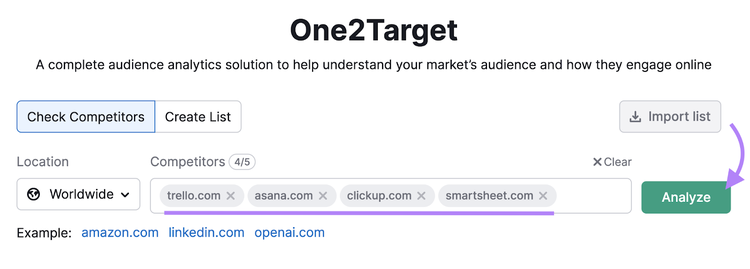
Analyze your competitors to help understand your market’s audience. And how they engage online.
Enter up to five competitor domains into One2Target, select a location, and click “Analyze.”
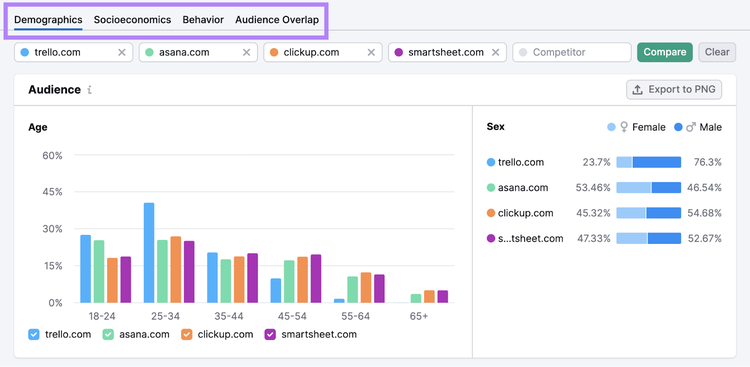
You’ll see detailed information about their audience’s demographics, socioeconomics, and online behavior.
Your goals should be SMART: Specific, Measurable, Achievable, Relevant, and Time-bound.
Some examples of online marketing goals can be:
Increase website traffic by 50% in six months
Generate 100 leads per month from email marketing
Boost sales by 20% in the next quarter
Grow social media followers by 10,000 in three months
These goals are specific, measurable, and have a clear deadline.
By setting SMART goals, you can focus your efforts and track your progress and results.
3. Choose Appropriate Channels & Platforms
Your ideal channels and platforms depend on your goals and where your ideal customers spend time.
For example, if you're trying to reach a younger crowd, Instagram or TikTok might work best. But LinkedIn could be better for a mid-career professional audience.
If one of your goals is to increase organic traffic to your blog, you’ll likely need to invest in SEO.
There are many options to choose from. Such as:
SEO
Social media
Content marketing
PPC
Influencer marketing
Affiliate marketing
Email marketing
Public relations (PR)
Among others.
You don’t have to use all of these channels and platforms—especially in the early stages. Choose the ones that suit your budget, resources, and objectives.
Tip
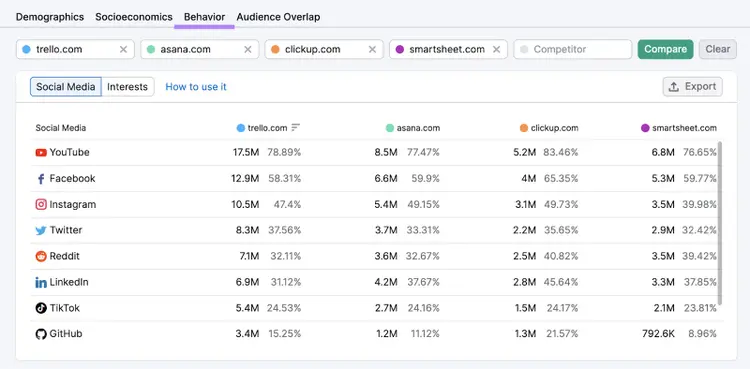
Use the behavior tab in One2Targetto see where your audience hangs out online.
Carlos Silva leads the editorial pipeline for the English blog—coordinating writers, editors, strategy, and building AI workflows that boost content quality and AI visibility. With 10+ years of experience writing and editing across in-house and agency roles, Carlos blends content strategy, SEO, and AI to help marketers stay ahead of an evolving search landscape.
Subscribe to learn more about General Marketing
Subscribe
By clicking “Subscribe” you agree to Semrush Privacy Policy and consent to Semrush using your contact data for newsletter purposes
Carlos Silva
Carlos Silva leads the editorial pipeline for the English blog and builds AI workflows that boost content quality and AI visibility. 10+ years writing and editing across in-house and agency roles.
Share
Tells Google to show you more from Semrush in AI, Search, and Discover.
Before you execute online marketing strategies for your small business, you should develop a game plan. This plan should outline what you want to achieve, who you’re trying to reach, and how to go about doing this online.